Explore our highly certified production catalog, engineered with state-of-the-art compression fabrics and structural support layouts.
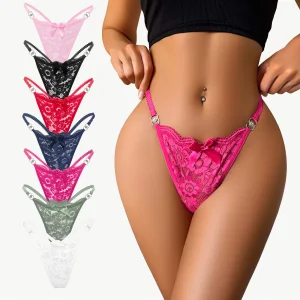
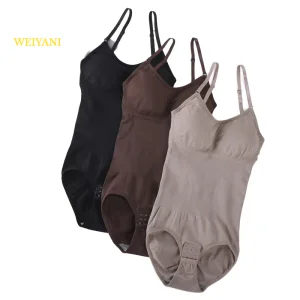
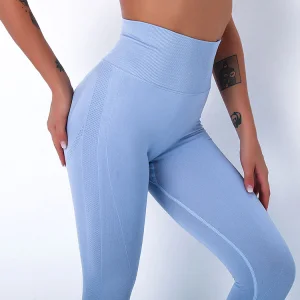
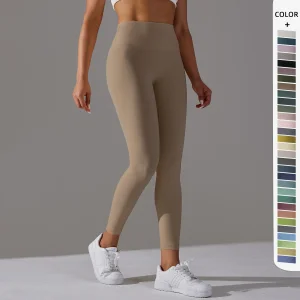
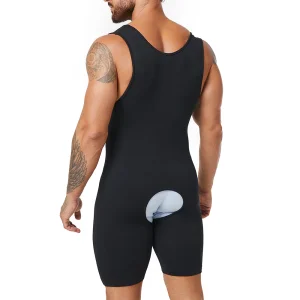
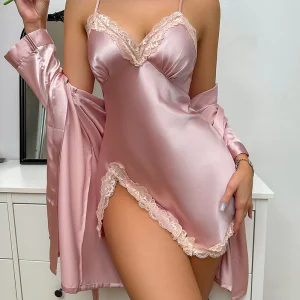
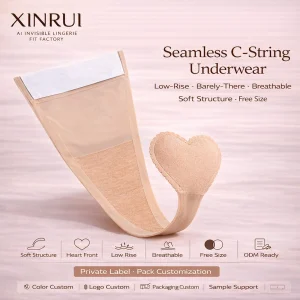
Analyzing the paradigm shift from basic casualwear to high-performance muscle containment and biomechanical structural support.
The global high-waisted leggings industry is experiencing a profound transition driven by advances in textile engineering and shifting consumer demographics. Once categorized simply as basic activewear, the high-waisted design has emerged as a complex utility garment that merges medical-grade compression, localized thermal regulation, and structural fashion aesthetics. Industry search profiles demonstrate that wholesale buyers are no longer searching merely for "cheap leggings." Instead, procurement departments in North America, Europe, and Oceania are focusing search parameters on material longevity, dynamic elastane recovery, eco-certified supply chains, and squat-proof opacity matrices.
The commercial viability of modern activewear brands is heavily linked to the stability and capability of their manufacturing partners. Over the past three years, macroeconomic shocks have forced brands to transition from single-source manufacturing to hybrid, highly resilient supply chain structures. Brands that partner with factories incorporating automated design (CAD), real-time logistics tracking, and verified environmental credentials (such as OEKO-TEX Standard 100, Global Recycled Standard (GRS), and ISO certifications) are seeing significant improvements in market retention and customer satisfaction.
A deep analysis of operational excellence, capacity benchmarks, and global compliance architectures.
Established in 2005, Zhejiang Jungle Clothing Co., Ltd. stands as a premier example of specialized manufacturing capability in the activewear and shapewear sector. With over 20 years of manufacturing experience and more than 15 years of international trade experience, the organization has created a dependable supply path that meets the needs of prominent global fashion brands, activewear startups, and volume retailers.
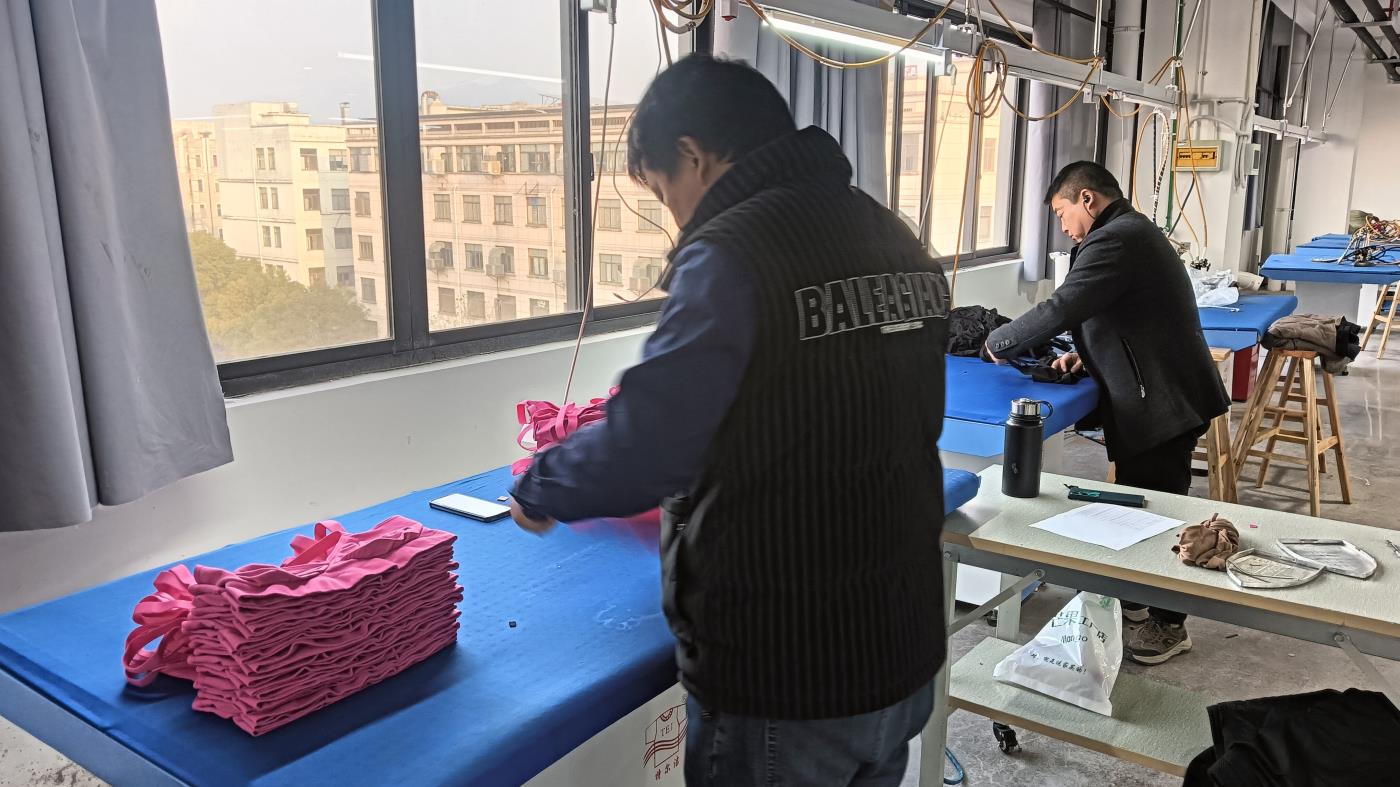
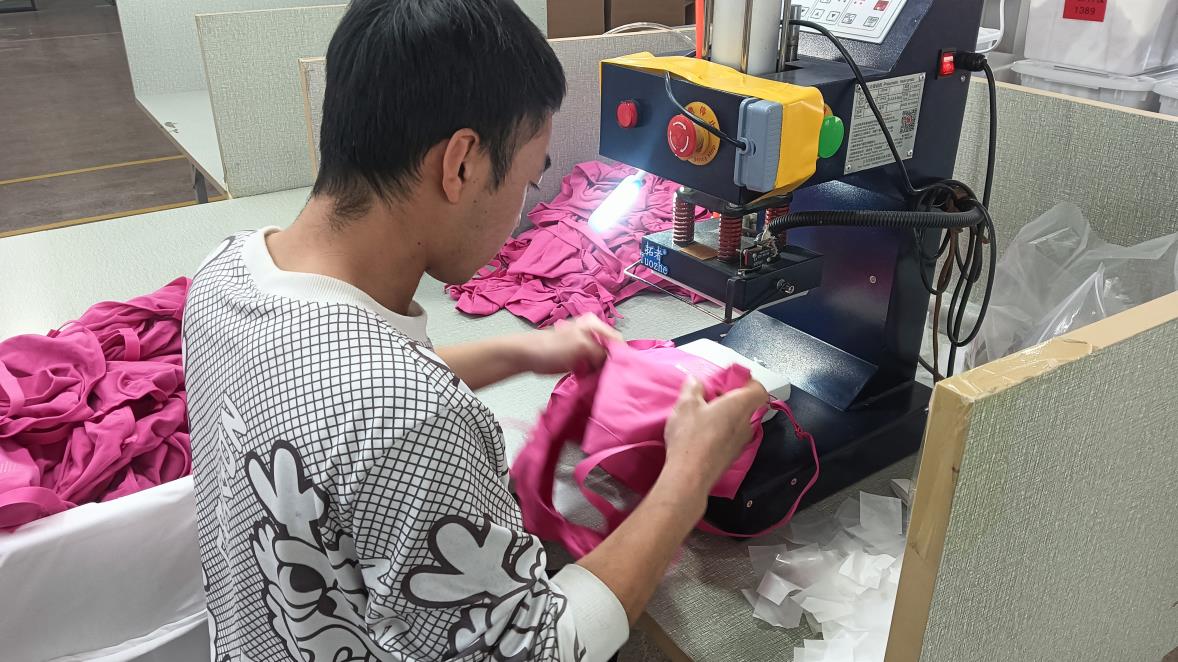
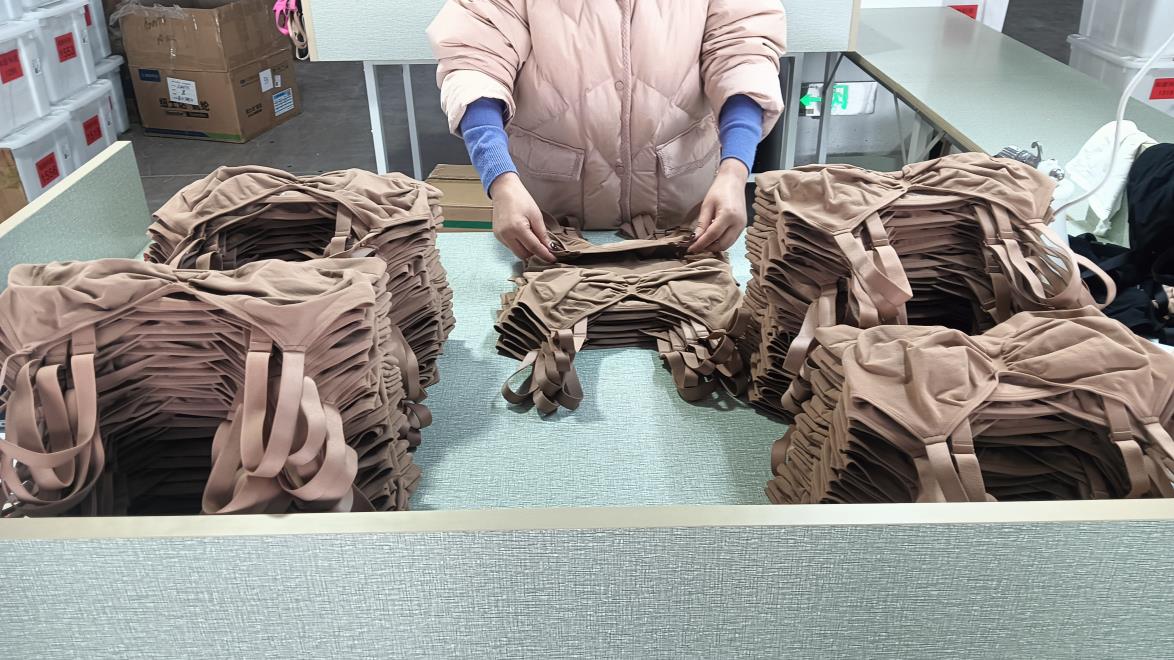
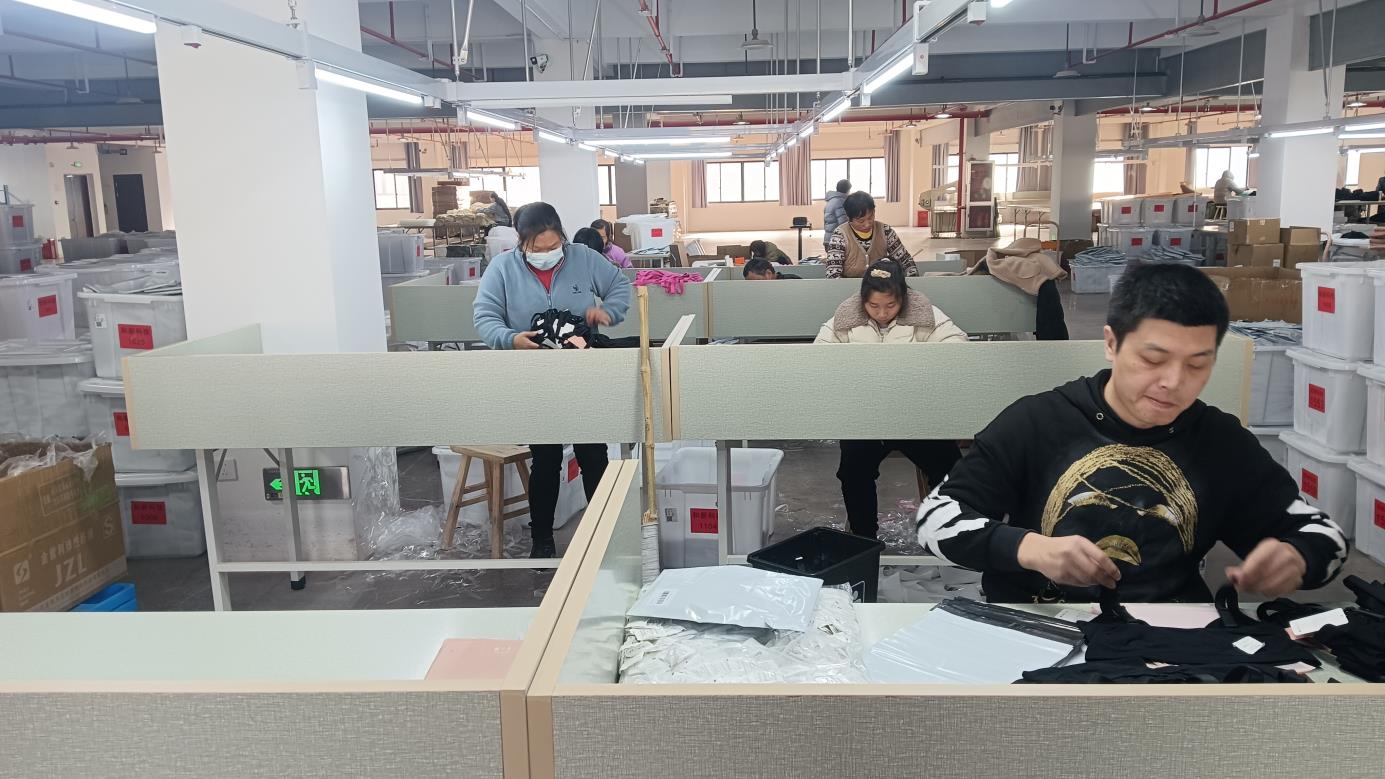
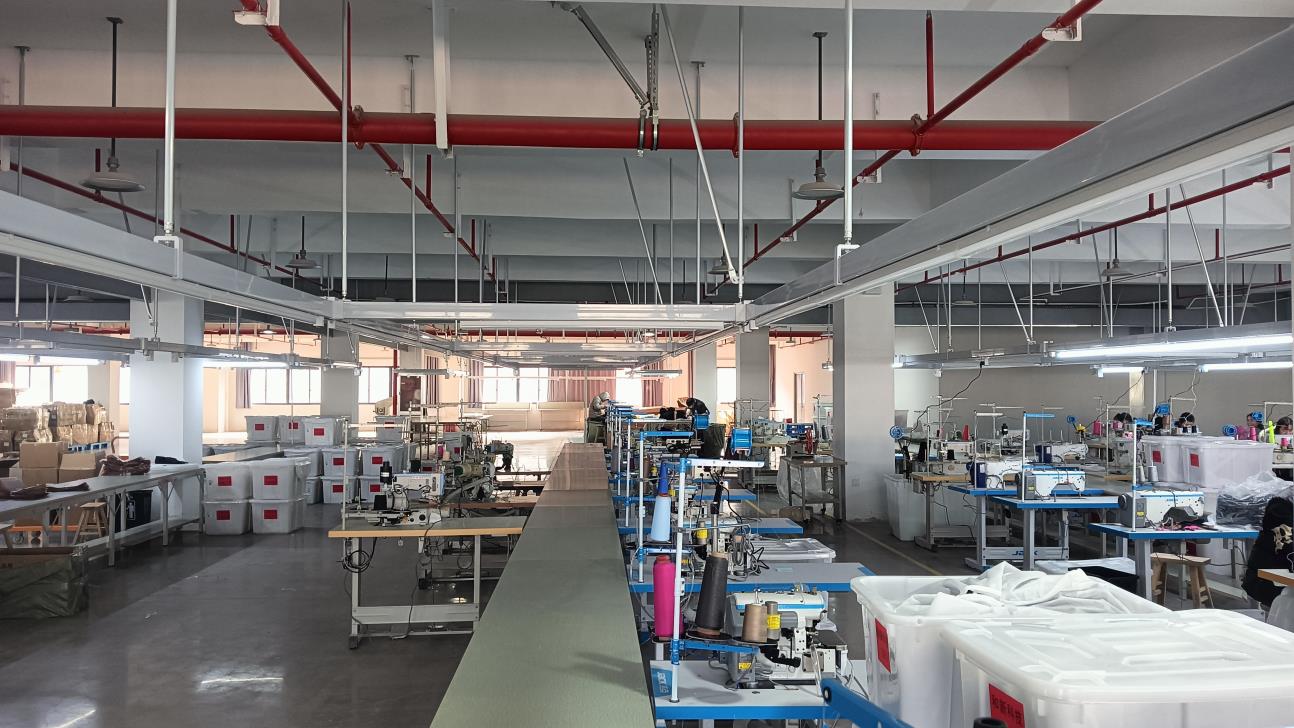
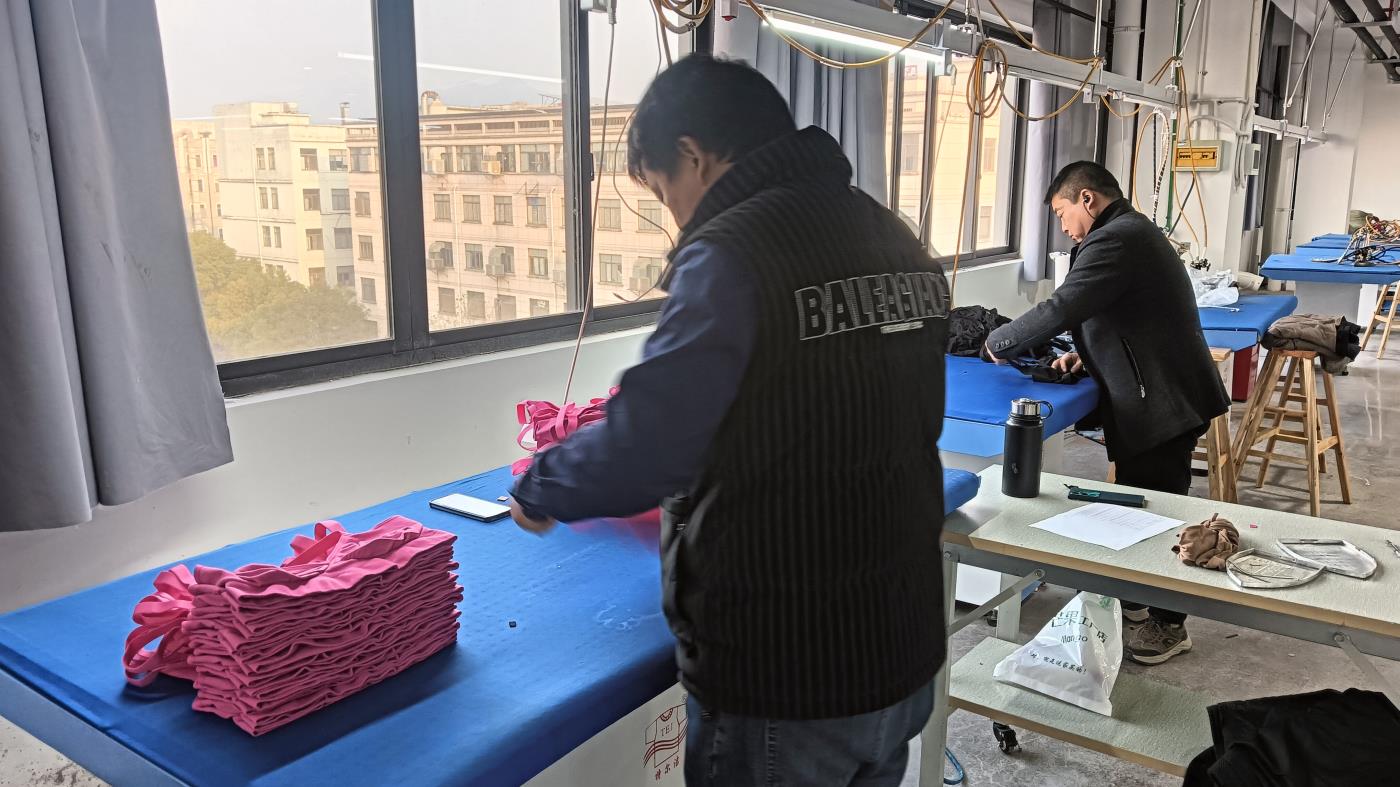
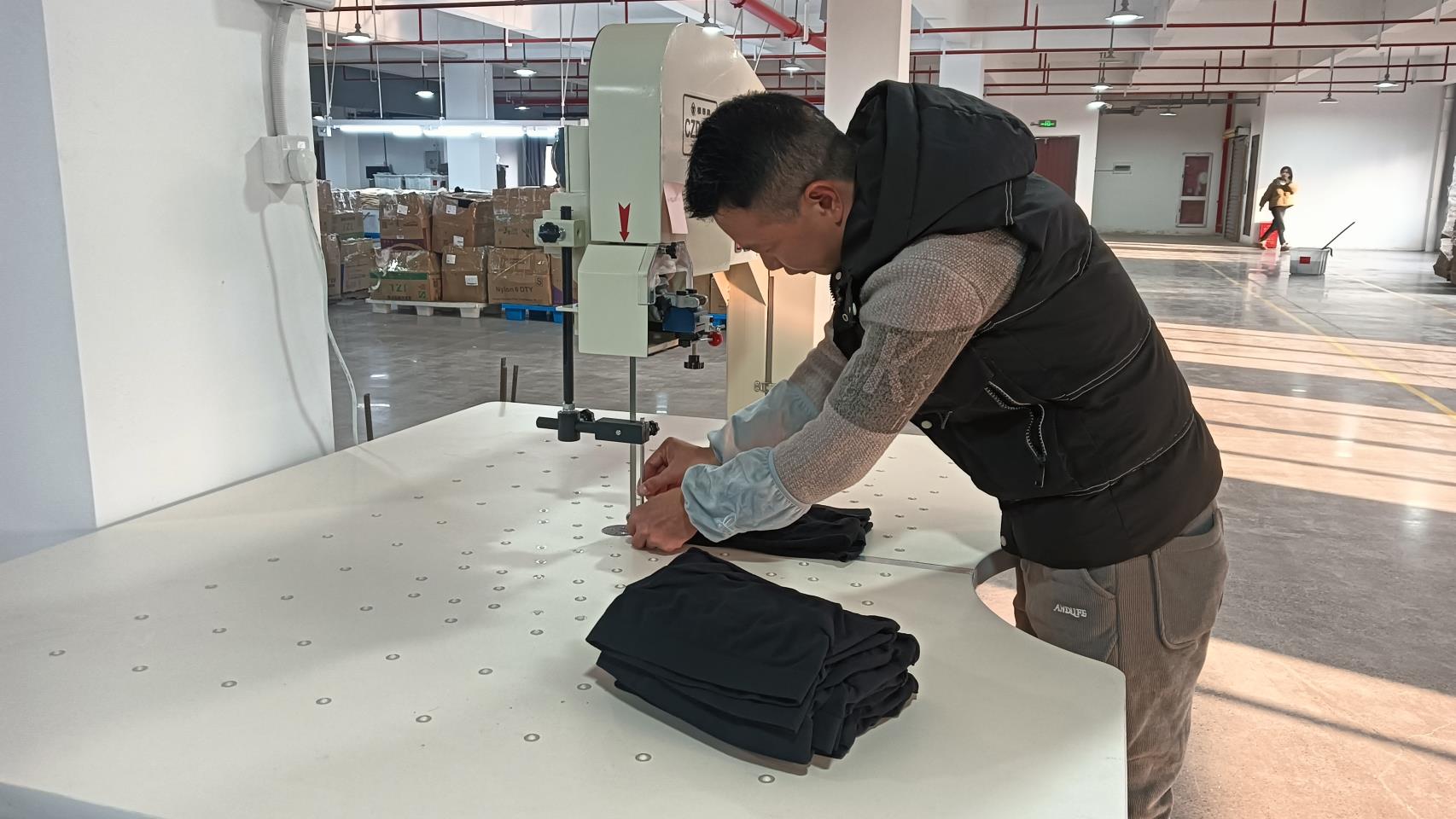
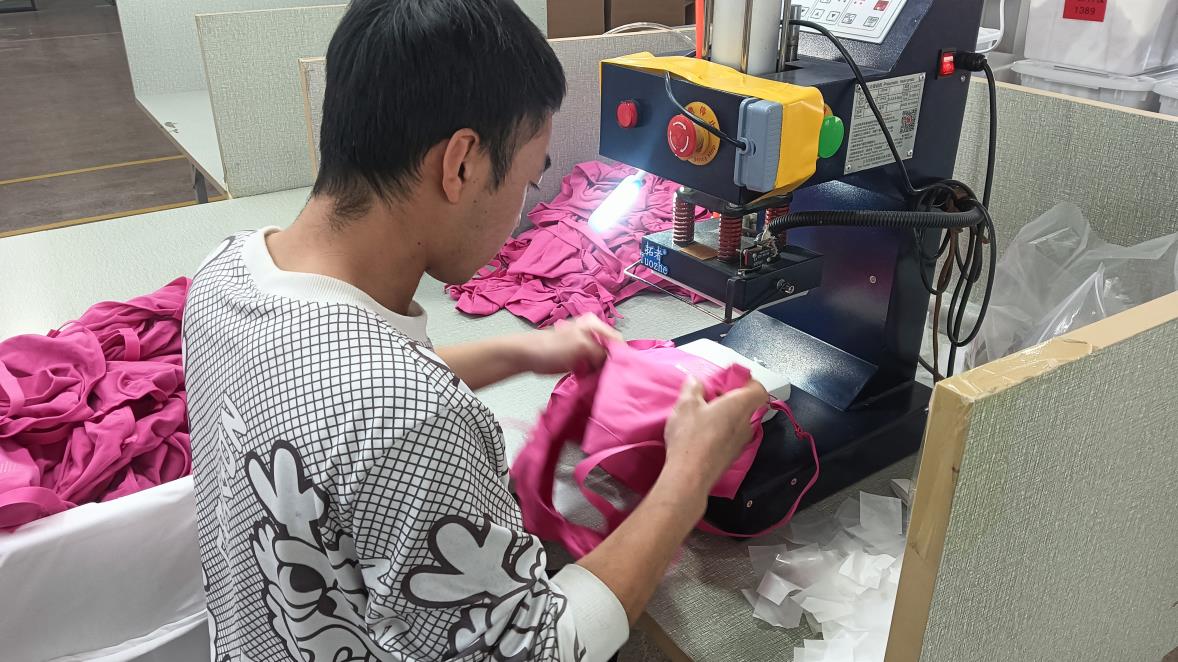
The company’s operations are based on its modern facility containing 15 advanced production lines and more than 400 specialized sewing machines. Supported by an experienced technical team, the factory handles a diverse range of fabrications including heavy-density nylon/spandex blends, moisture-wicking polyesters, and eco-certified recycled yarns. By monitoring each stage of production—from raw material sourcing and initial design modeling to computerized cutting, assembly, and final QA inspections—they maintain consistent, high-standard construction across all products.
The facility holds international compliance standards including BSCI (Business Social Compliance Initiative) and ISO 9001:2016. These certifications guarantee that the plant maintains ethical labor practices, safe working conditions, and robust environmental management systems, which help protect client brands from compliance risks.
The manufacturing process at Zhejiang Jungle Clothing Co., Ltd. utilizes specialized machines to ensure clean seams, consistent sizing, and long-term print durability.
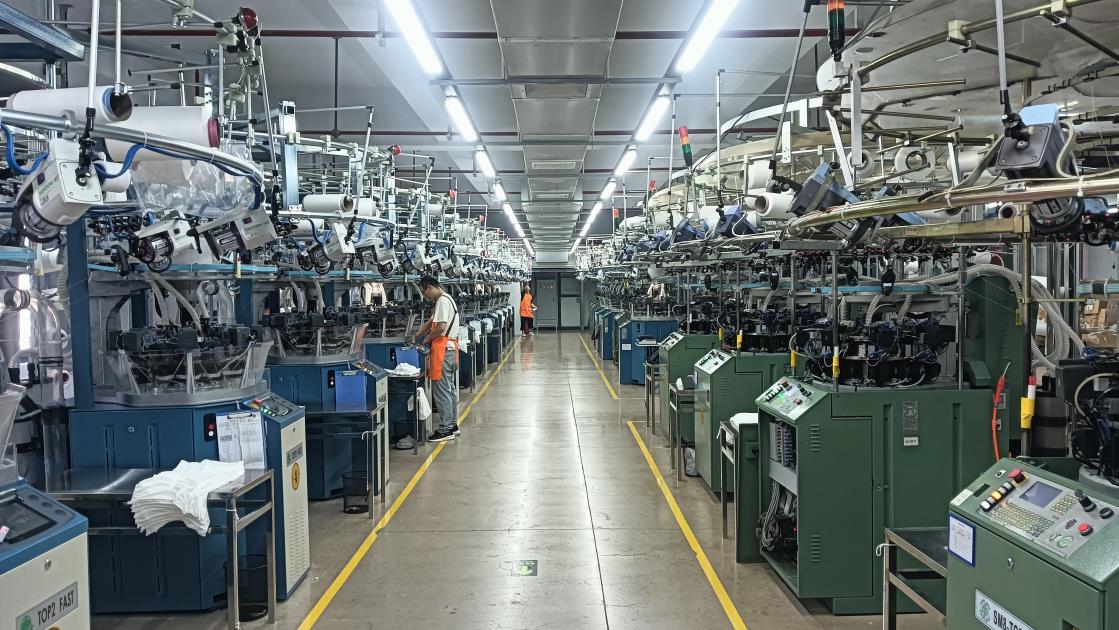
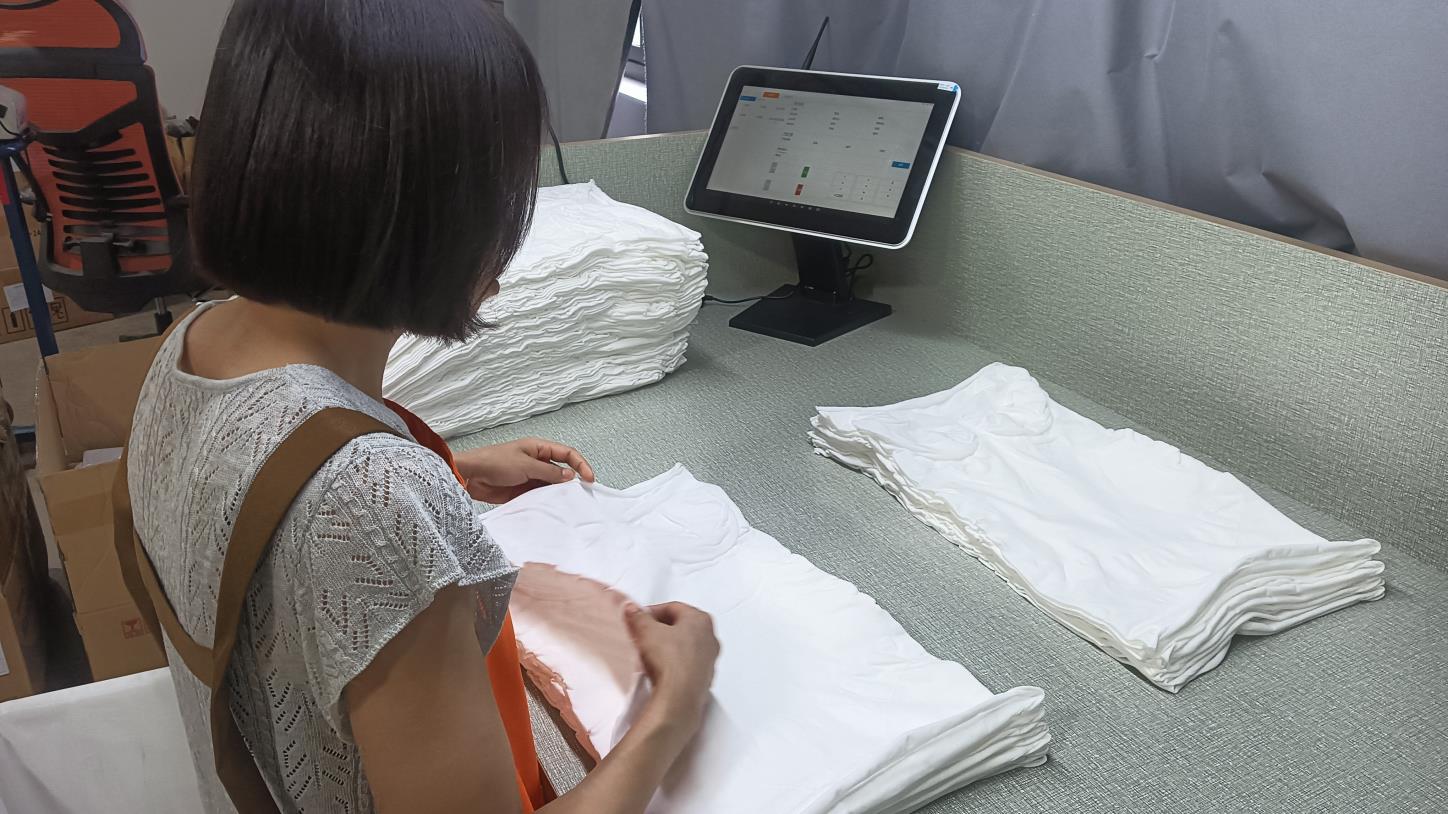
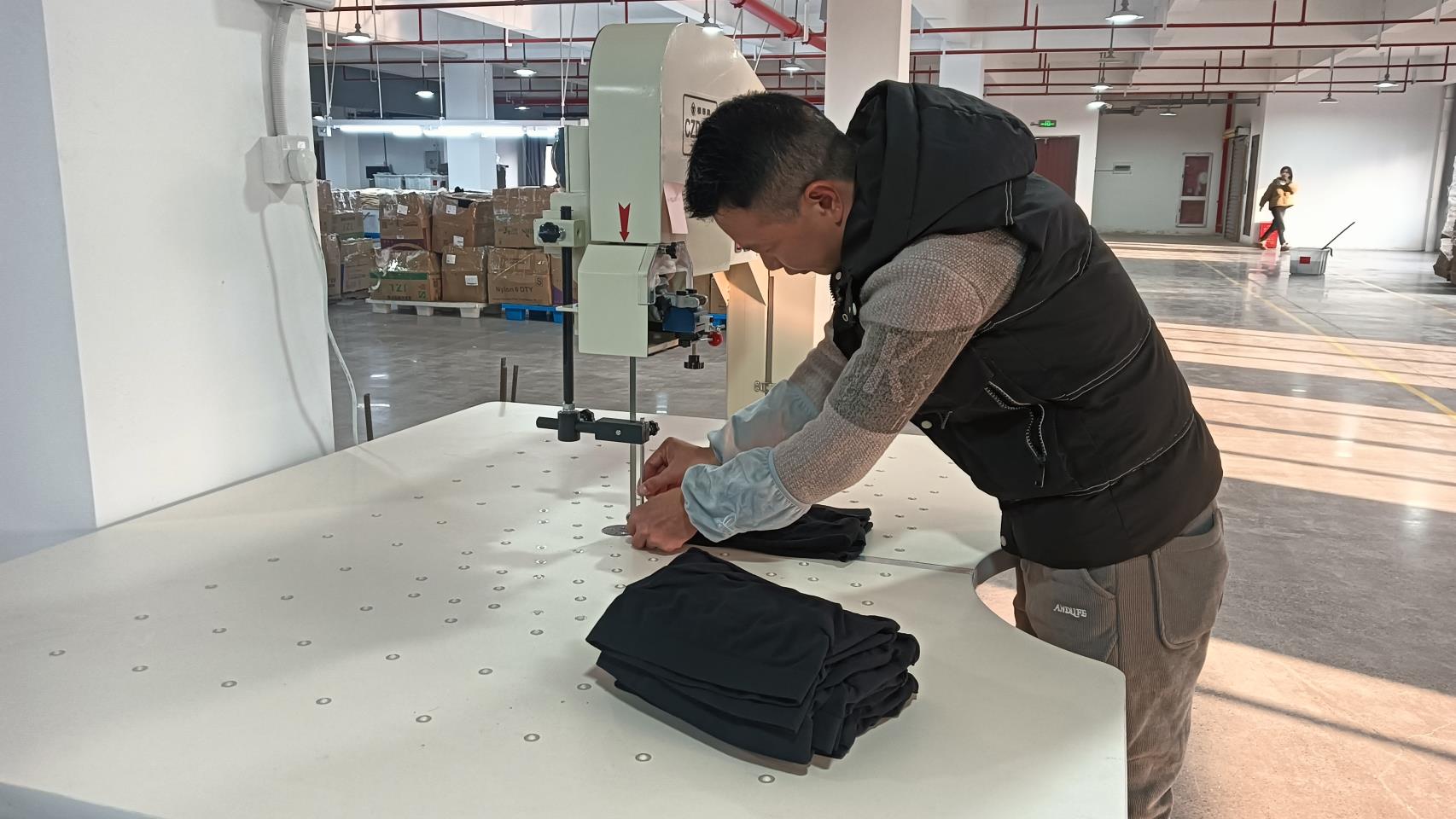
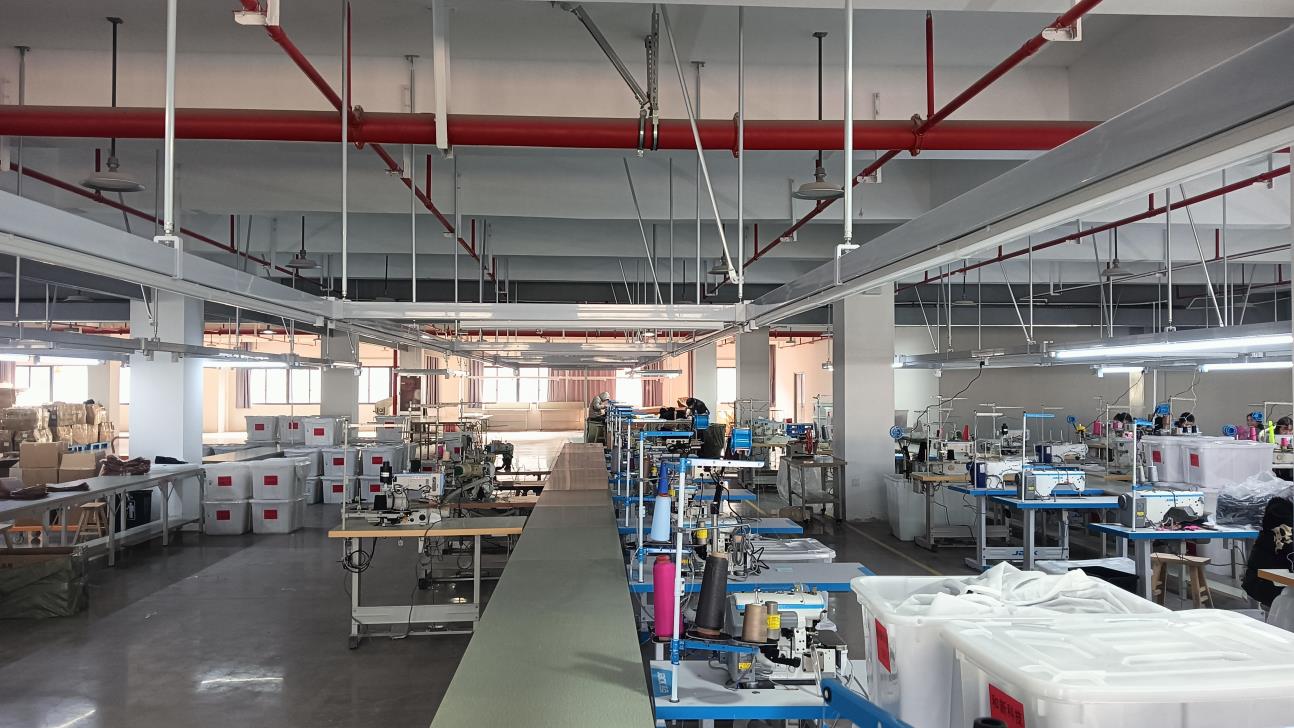
A structured mapping of the industry's leading manufacturers categorized by technical specialization and capacity.
Stay ahead of market shifts with insights into next-generation activewear construction and fabric science.
Major brands are replacing virgin polyester and nylon with certified ocean-bound plastics and post-consumer recycled fabrics. This shift helps reduce scope 3 emissions while maintaining the tensile strength and colorfastness required for performance wear.
Seamless design utilizes specialized circular knitting machines to produce ready-to-wear tubes of fabric. This minimizes traditional cut-and-sew seams, reducing chafe points and structural weak zones while optimizing localized pressure profile control.
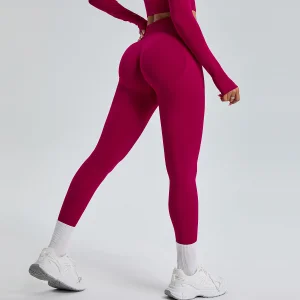
Brands are utilizing custom internal waist elements—such as hypoallergenic silicone grip prints, knit-in compression zones, and cross-over elastic structures—to keep leggings in place during high-intensity training without slipping down.
Using laser-perforated ventilation maps and engineered jacquard meshes, modern leggings adapt to fluctuations in body heat. Heat-dispersing zones are placed behind the knees and lower back to manage sweat during intense workouts.
How digital integration and automated processes help factories reduce lead times and maintain quality standards.
The concept of "Factory 4.0" is shifting China's manufacturing sector from standard manual assembly to a digitally integrated system. At leading facilities like Zhejiang Jungle Clothing Co., Ltd., this transition is defined by the integration of CAD pattern modeling, computerized cutting, and real-time production tracking software. This structure reduces errors in raw fabric utilization and ensures that size tolerances are kept within tight parameters (+/- 5mm).
For international sourcing agents, supply chain resilience is crucial. A resilient manufacturer handles unexpected delays by maintaining strong relationships with local yarn suppliers, dye houses, and shipping networks. Zhejiang Jungle Clothing's location in Zhejiang province offers access to major component suppliers (such as high-grade spandex yarns, specialized trims, and eco-friendly dyes), which keeps sample cycles short (typically 3–7 days) and production timelines reliable.
Analyzing consumer needs across different segments to guide product selection and marketing strategies.
Practical answers to help sourcing managers navigate certifications, quality control, and order fulfillment.
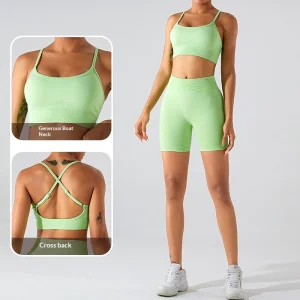
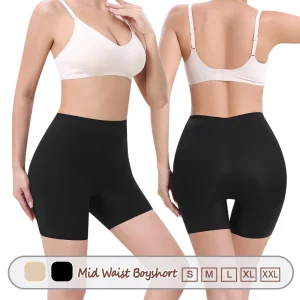
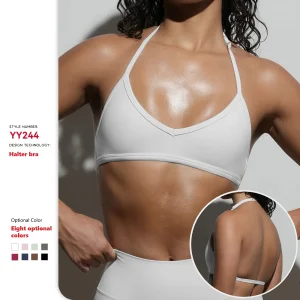
Explore our full range of sports bras, shapewear, and custom activewear sets designed to meet diverse customer needs.
 Jungle Clothing