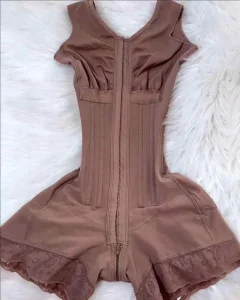
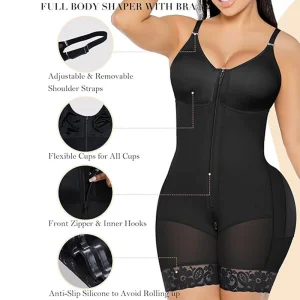
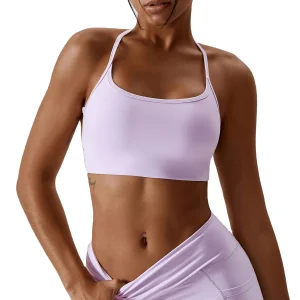
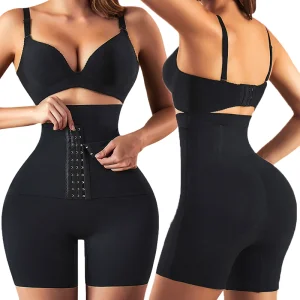
Explore our top-tier catalog of custom sleepwear, seamless shapewear, and functional compression garments engineered for modern distribution channels.
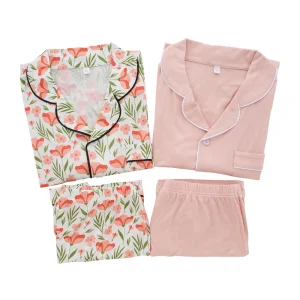
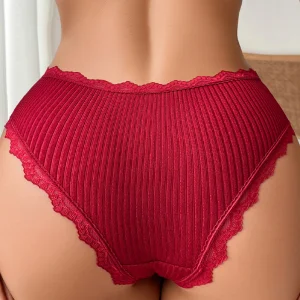
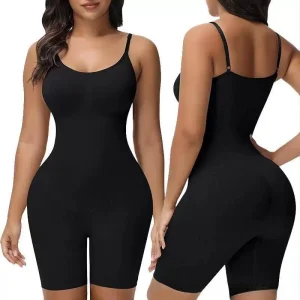
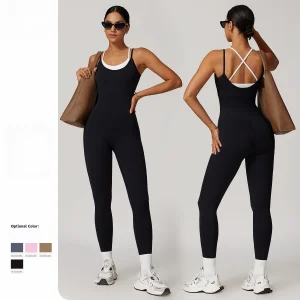
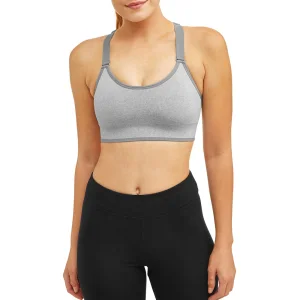
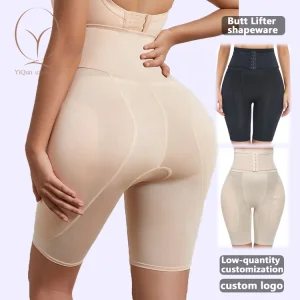
The global textile and apparel market is witnessing a profound paradigm shift. No longer limited to basic cover-up designs, consumers now demand specialized wear that merges physical support, thermal comfort, post-surgical recovery benefits, and environmental ethics. According to international market researchers, the global shapewear and compression garment sector is projected to expand at a compound annual growth rate (CAGR) exceeding 7.5% through 2030.
At the center of this massive transformation lies the China Accessories & Clothing Factory network. These facilities have moved far beyond traditional manual cutting and low-precision sewing. Today's premier Chinese manufacturers deploy state-of-the-art multi-needle machines, automated digital cutting beds, and complex synthetic blends like high-density nylon-spandex and breathable organic bamboo. This ensures that every piece of clothing offers maximum structural support, localized thermal regulation, and absolute durability.
"By integrating complex anatomical grading, high-elasticity knit technology, and specialized seam patterns, China-based manufacturers are setting a new standard for global intimate apparel logistics."
Zhejiang Jungle Clothing Co., Ltd. stands as a premier example of specialized manufacturing in China. Established in 2005, the company has dedicated two decades to refining its processes, ensuring high-quality apparel output for international brands. Combining 20 years of technical expertise with over 15 years of international trade operations, the factory provides consistent, high-standard services across a variety of markets, including Europe, North America, South America, and Australia.
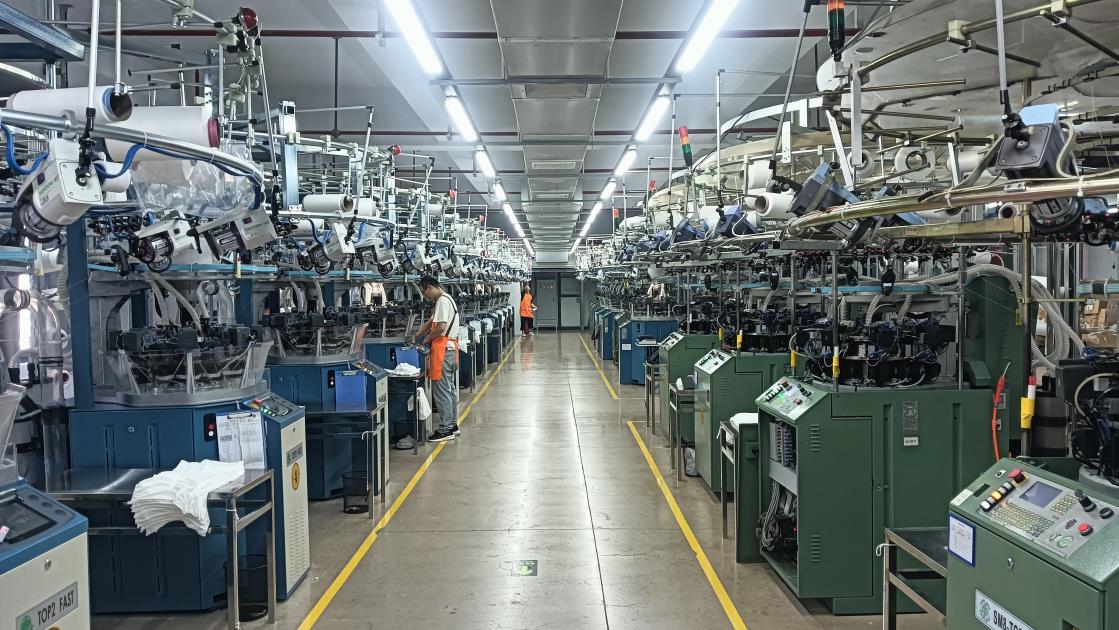
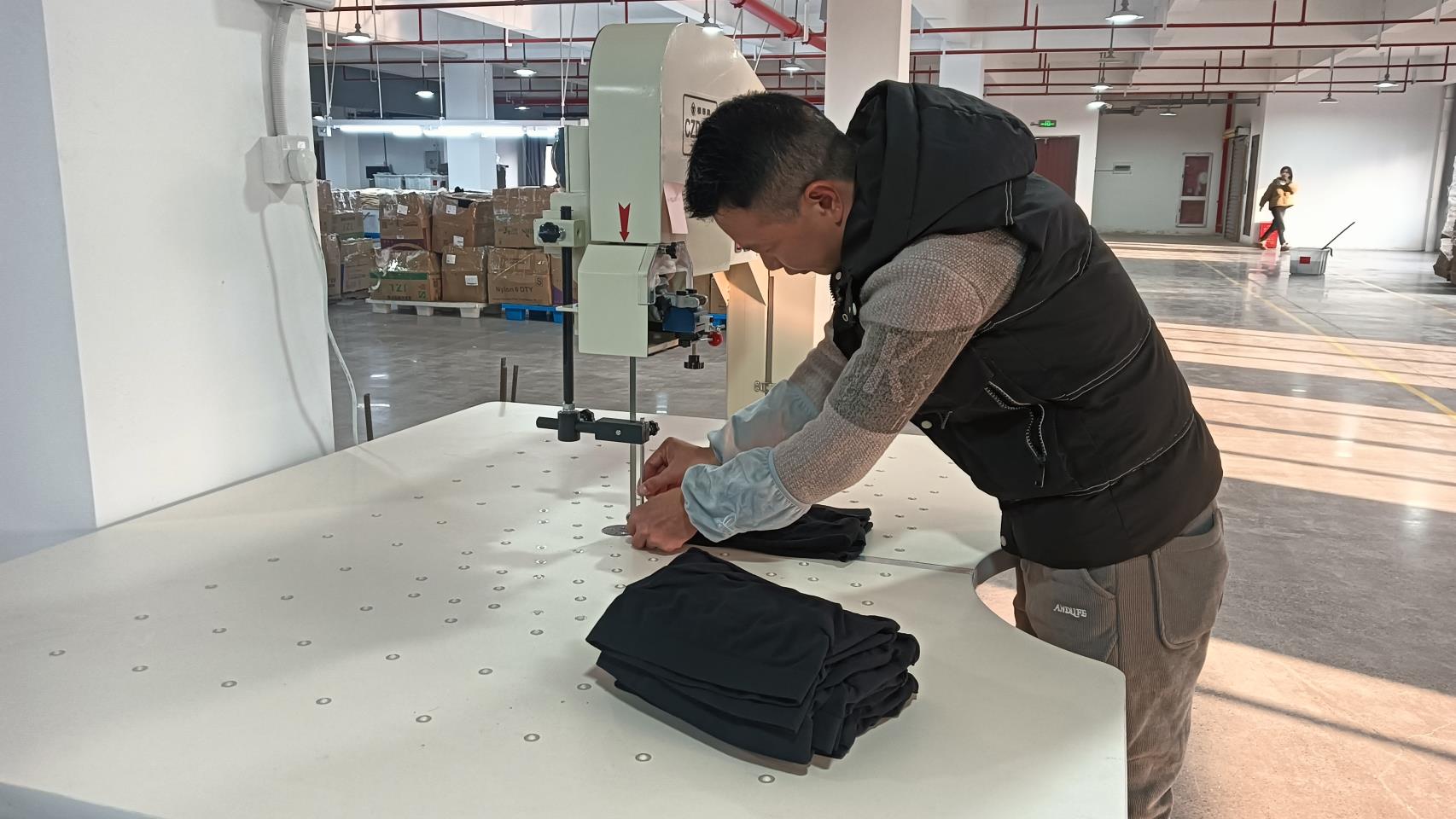
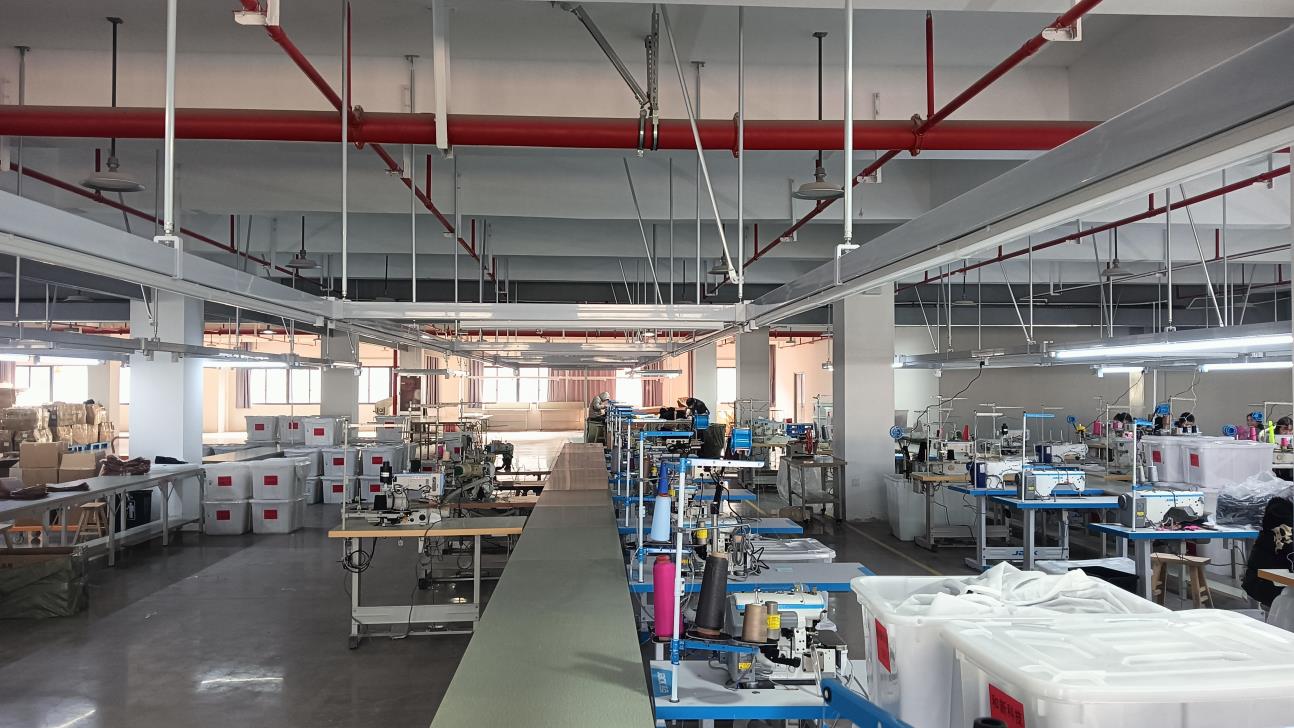
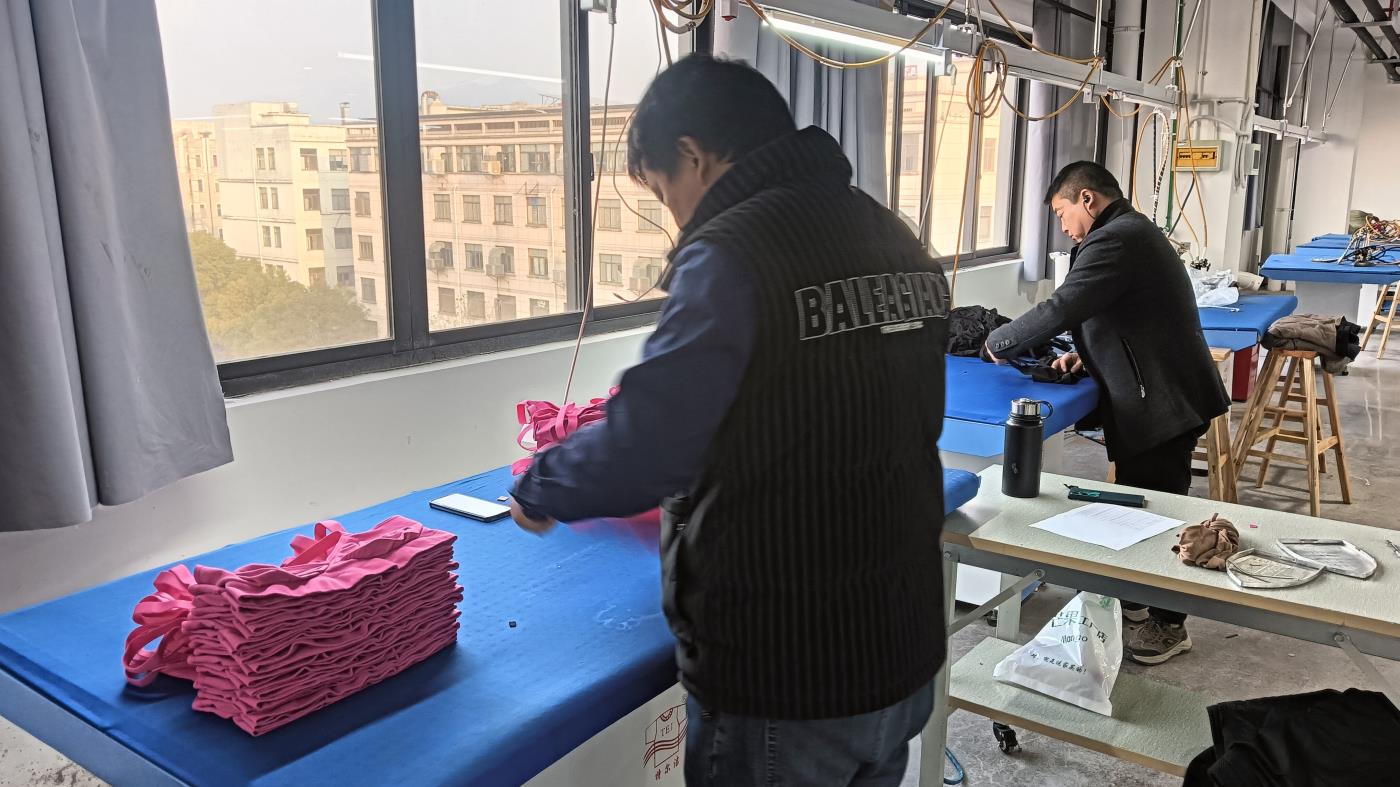
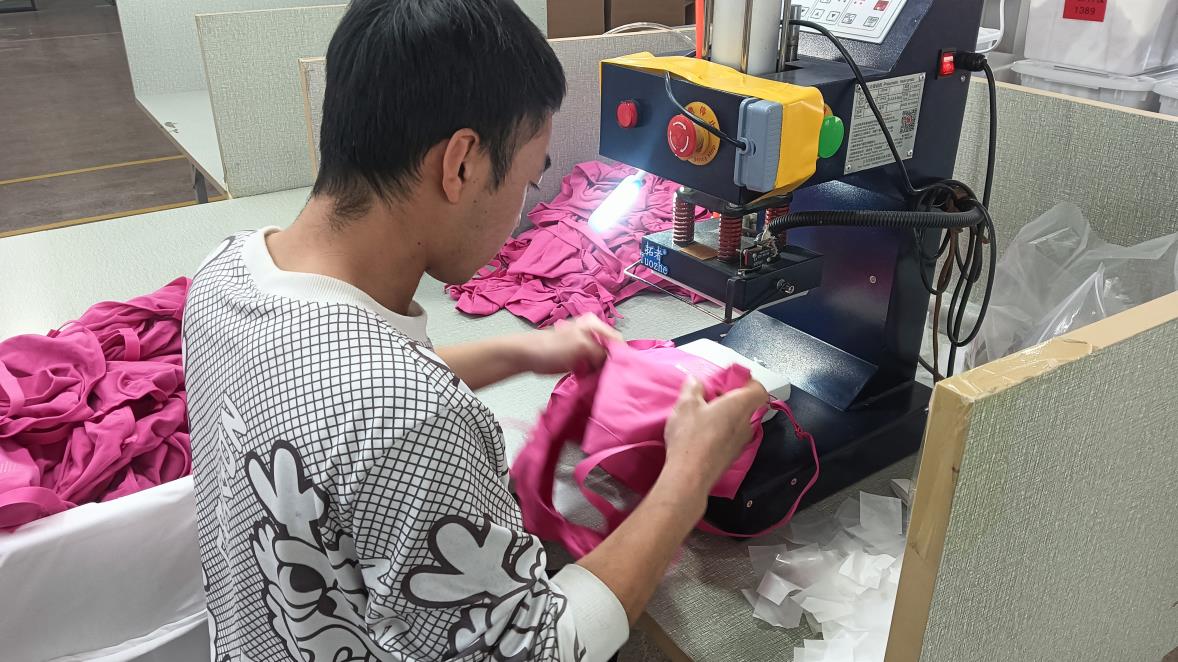
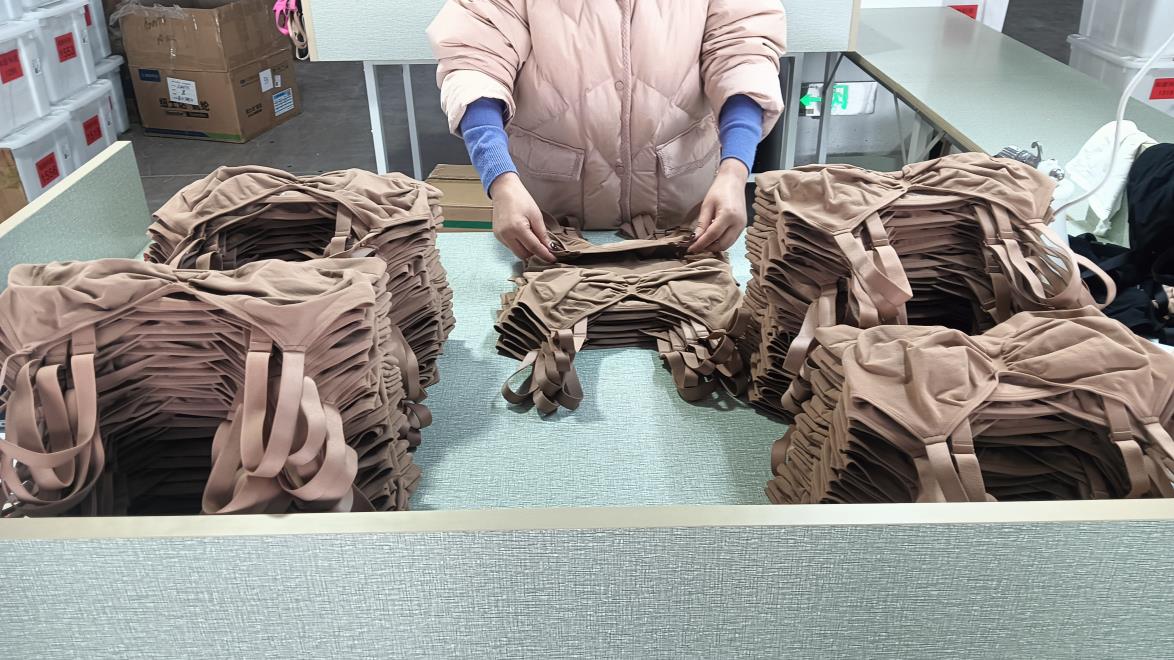
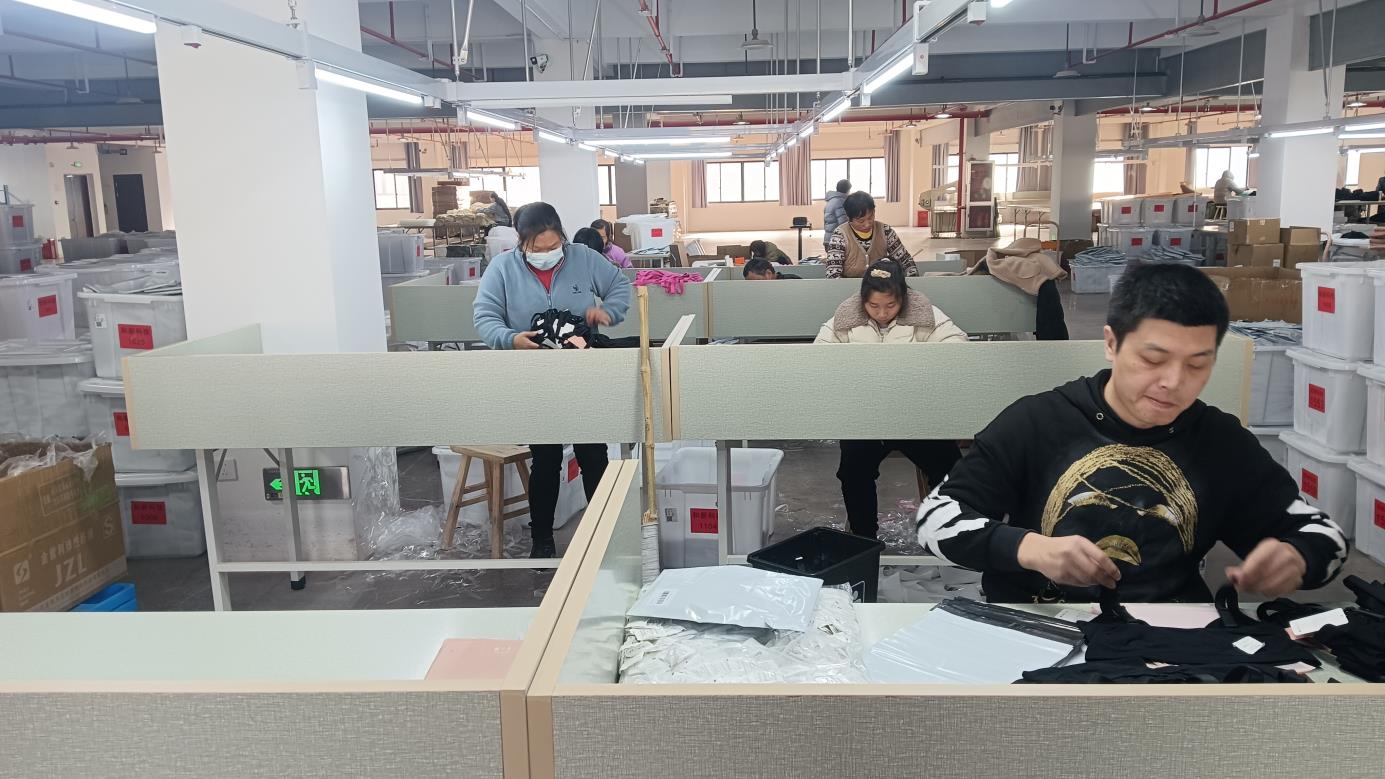
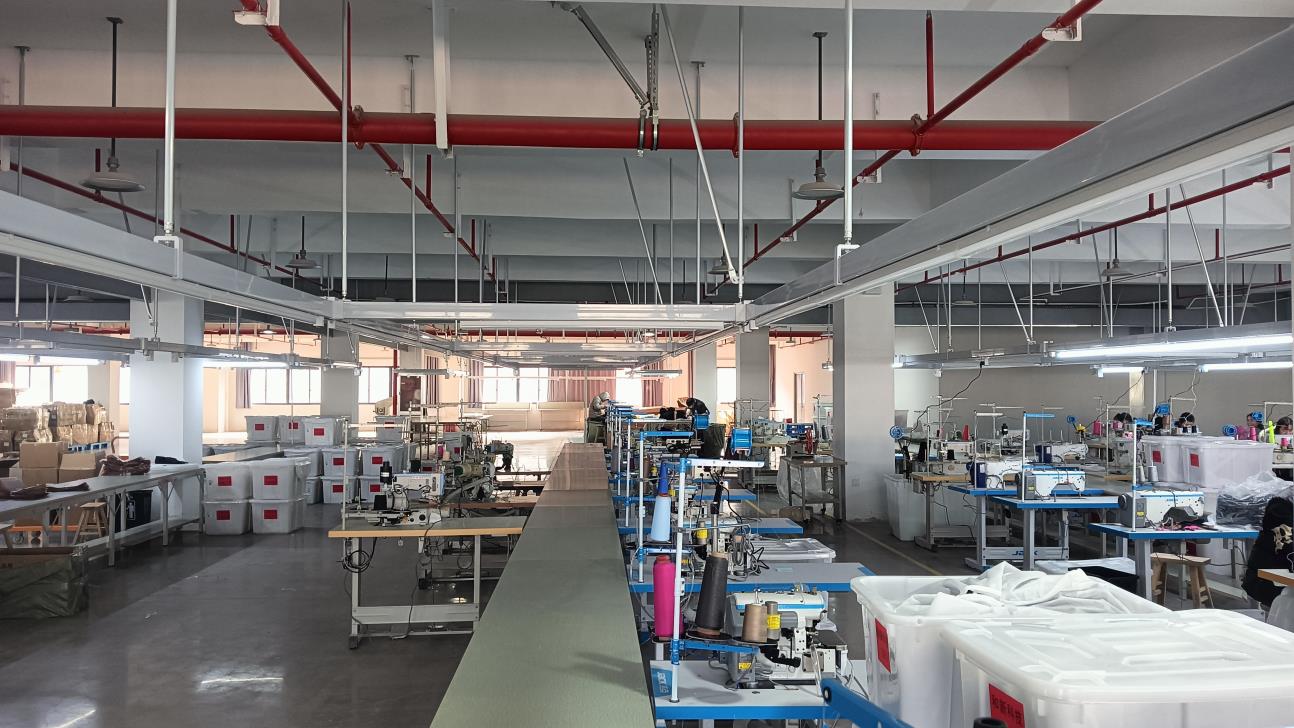
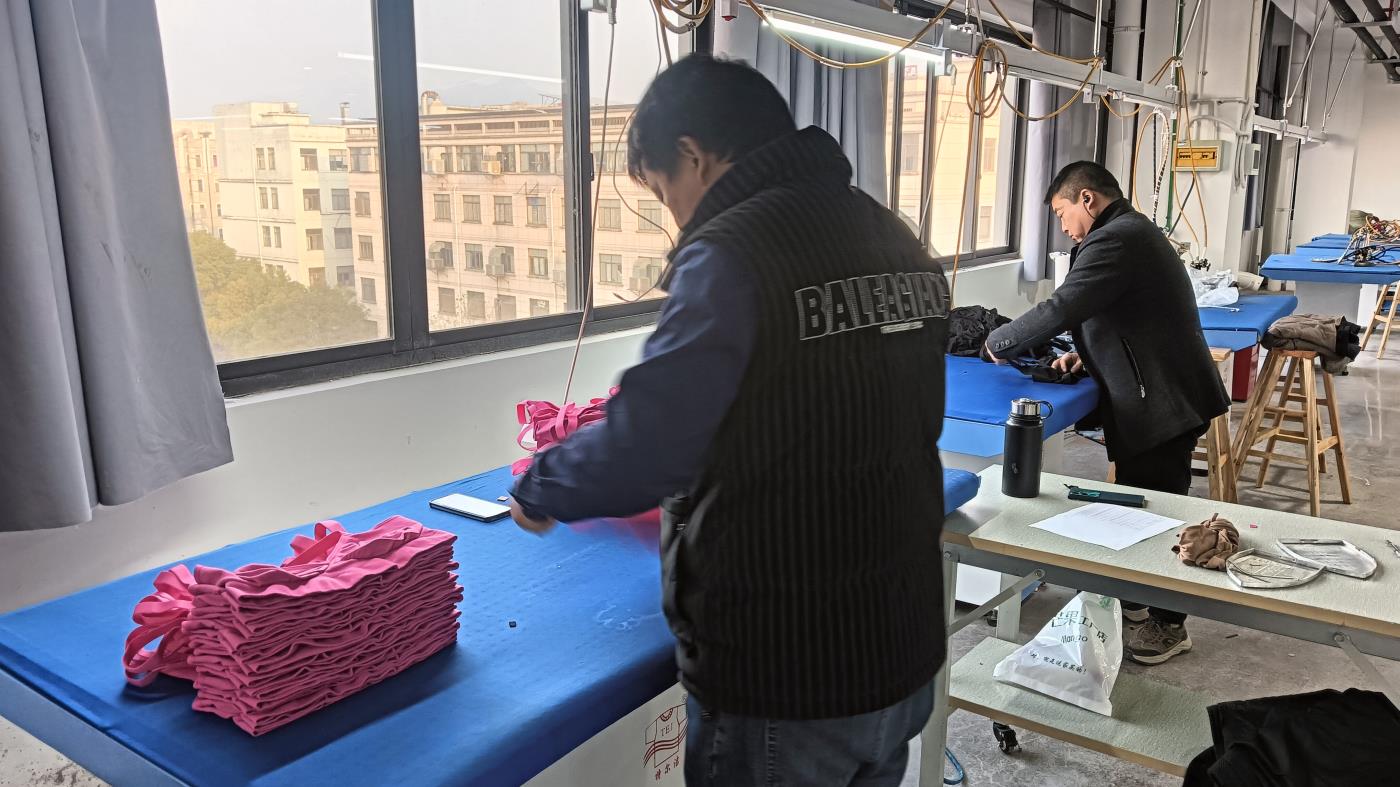
Strategically structured to handle both high-volume global distribution and specialized customized orders, the factory's physical plant operates 15 modern production lines. These lines are equipped with more than 400 advanced sewing machines, managed by a skilled technical team. This setup supports complete quality control through every stage of production—from the initial material selection and pattern development to cutting, inspection, and export-ready packaging.
| Facility Metric / Detail | Operational Status & Standard Capabilities | Value Provided to Global Buyers |
|---|---|---|
| Establishment Year | 2005 (Two decades of manufacturing experience) | Proven production processes, supplier relationships, and operational stability. |
| Factory Infrastructure | 15 advanced assembly lines, 400+ sewing units | High manufacturing capacity, reduced bottlenecks, and scalable lead times. |
| Quality Certifications | BSCI, ISO 9001:2016 Certification | Compliance with international social responsibility and quality guidelines. |
| Design Capabilities | Comprehensive OEM & ODM services | Flexible pattern adjustments, sample creation, and custom branding options. |
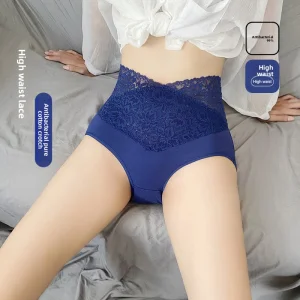
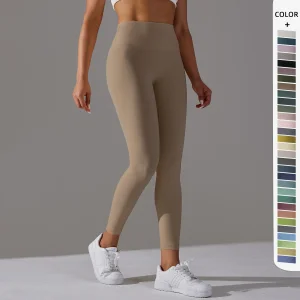
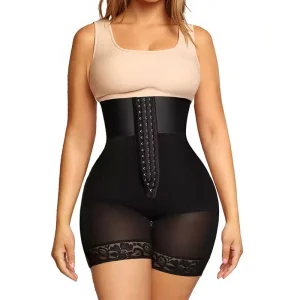
| Specialized Product Lines | Shapewear, functional activewear, custom pajamas | Access to diverse, high-growth intimate apparel categories. |
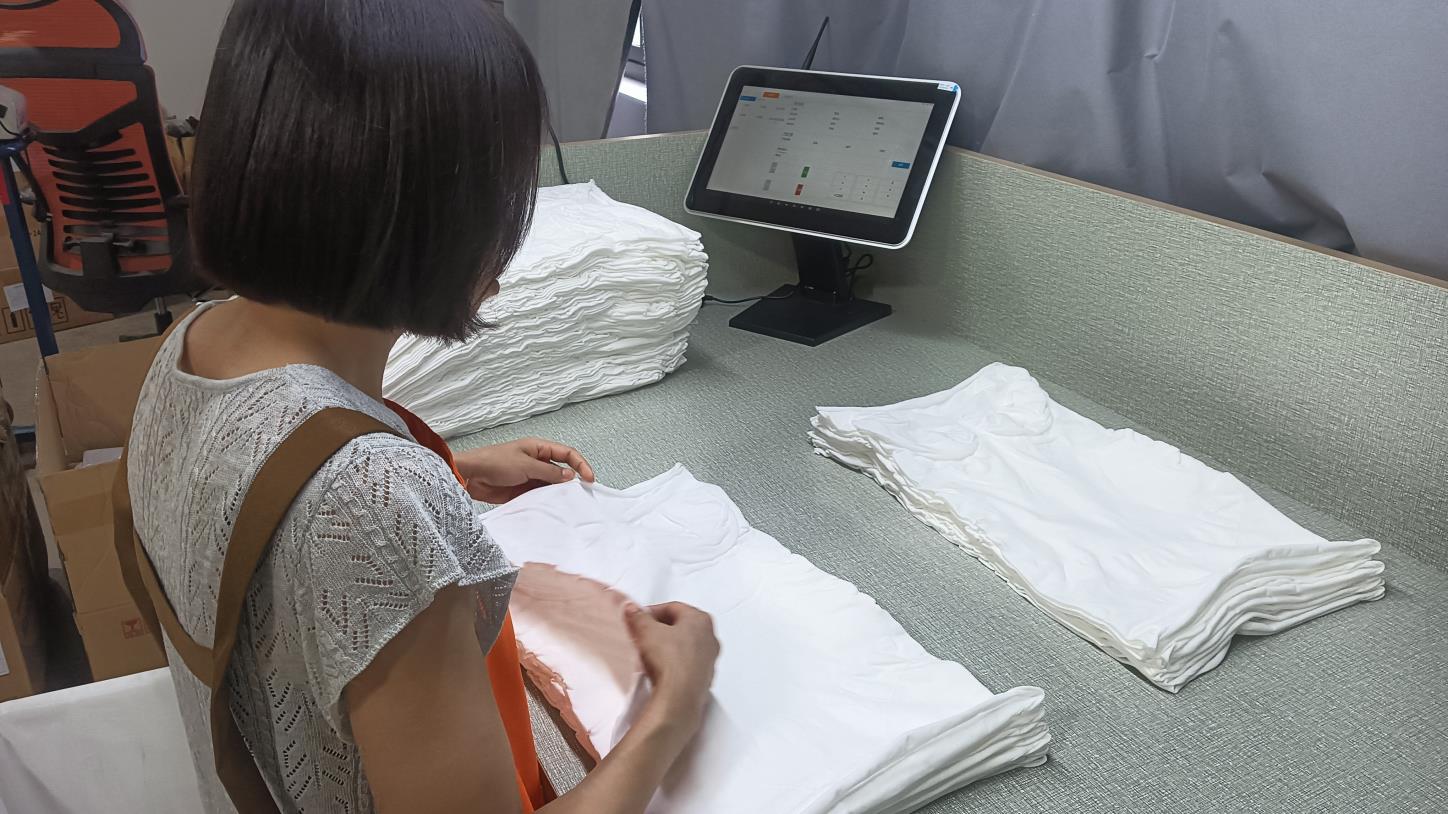
From yarn selection to final shipment, each process is systematically managed to ensure fabric integrity and dimensional stability.
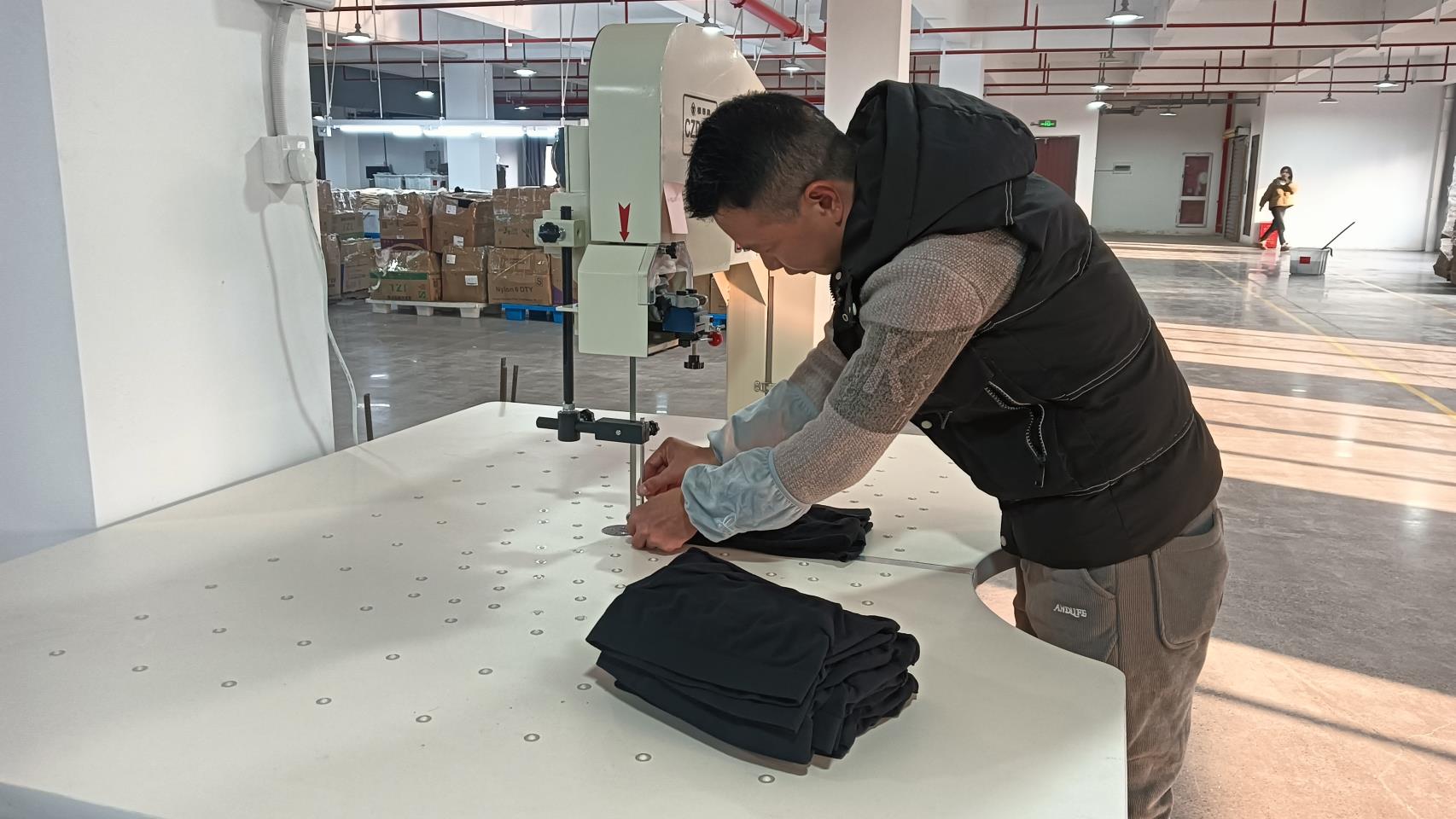
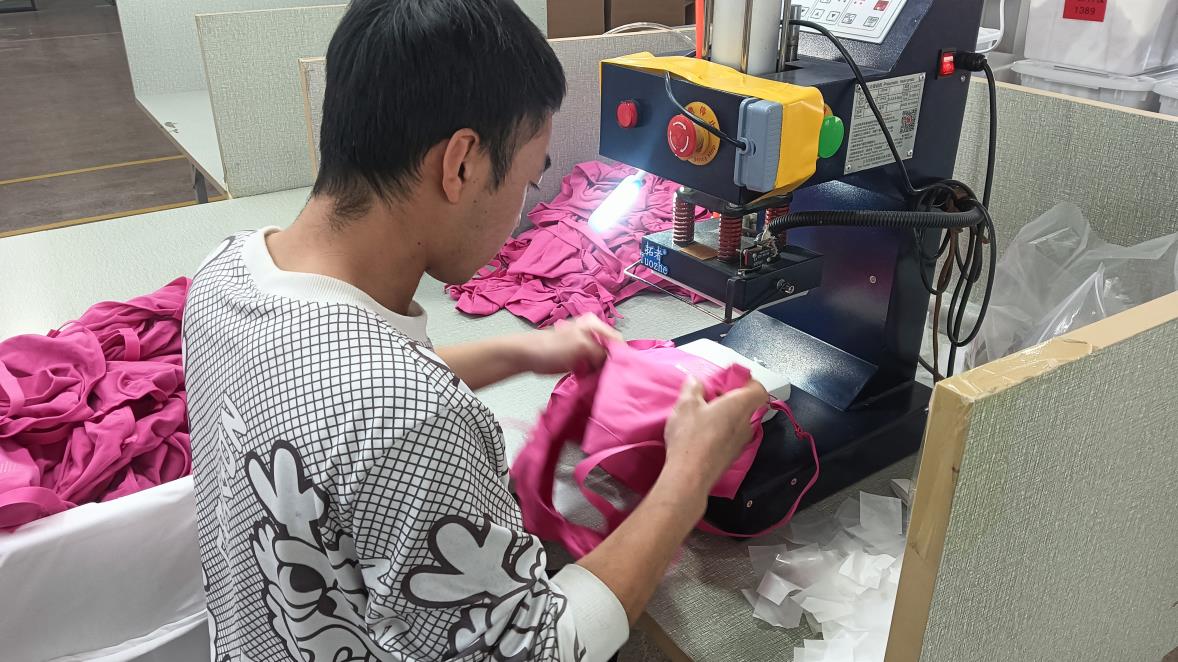
To maintain a competitive edge, modern brand owners and apparel distributors must align their sourcing with key design and material trends. Today's intimate apparel sector focuses on three major advancements:
Consumer choices are shifting toward sustainable fabrics. Natural bamboo fibers, organic cotton, and recycled polyester blends are becoming industry standards. Brands use these soft materials to offer comfort, breathability, and natural antibacterial properties.
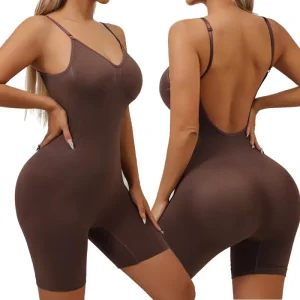
Seamless technology eliminates side seams, minimizing skin irritation and creating a clean look under fitted clothing. It allows factories to create different compression levels in a single piece, supporting shapewear performance without bulky seams.
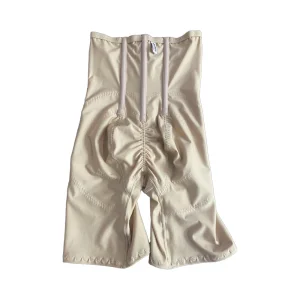
Modern garments often combine shaping with support features. Colombian fajas, high-waist trainer shorts, and postpartum support items rely on calculated pressure zones. By matching fabric tension to human anatomy, they support posture and aid muscle recovery.
Sourcing priorities vary by regional market, influenced by local consumer preferences, climates, and body sizing systems:
Sourcing functional apparel requires evaluating more than just price. To select a dependable manufacturing partner, consider these essential factors:
Browse our collection of seamless underwear, body shapers, recovery wear, and high-performance athletic apparel.

 Jungle Clothing