7 Tips Why Moisture Wicking Fabric Matters for Workouts?

Time:2026-09-14 Author:Isabella
0%

During a hard workout, sweat can collect beneath a shirt, leaving fabric heavy, sticky, and slow to dry. The answer to “why is moisture wicking fabric important for working out” begins with comfort, but it extends to temperature management, skin protection, and sustained performance. Polyester, nylon, and technical blends move liquid sweat toward the outer surface, where air can help it evaporate. The shirt feels lighter. Your skin feels less trapped.

The data supports a careful, evidence-based view. Textile Exchange’s 2024 Materials Market Report identifies polyester as roughly 59% of global fiber production in 2023, showing its major role in performance clothing. The American College of Sports Medicine also emphasizes suitable clothing, hydration, and environmental awareness during exercise. Meanwhile, NIOSH warns that heat exposure becomes more dangerous when body cooling cannot keep pace with heat gain. Moisture management cannot solve every heat problem. It is not magic.

Fabric choice still matters. A loose, breathable layer may outperform a tight synthetic shirt in humid conditions. Some finishes lose effectiveness after repeated washing. Odor control may also decline. These practical limits deserve attention. This guide presents seven clear reasons moisture-wicking fabric matters, from reducing cling during running to improving comfort during strength training. Expect useful details, not exaggerated promises. The right material may help you train with fewer distractions, but fit, weather, workout intensity, and personal comfort remain equally important. Small choices matter. Your next session will reveal the difference.
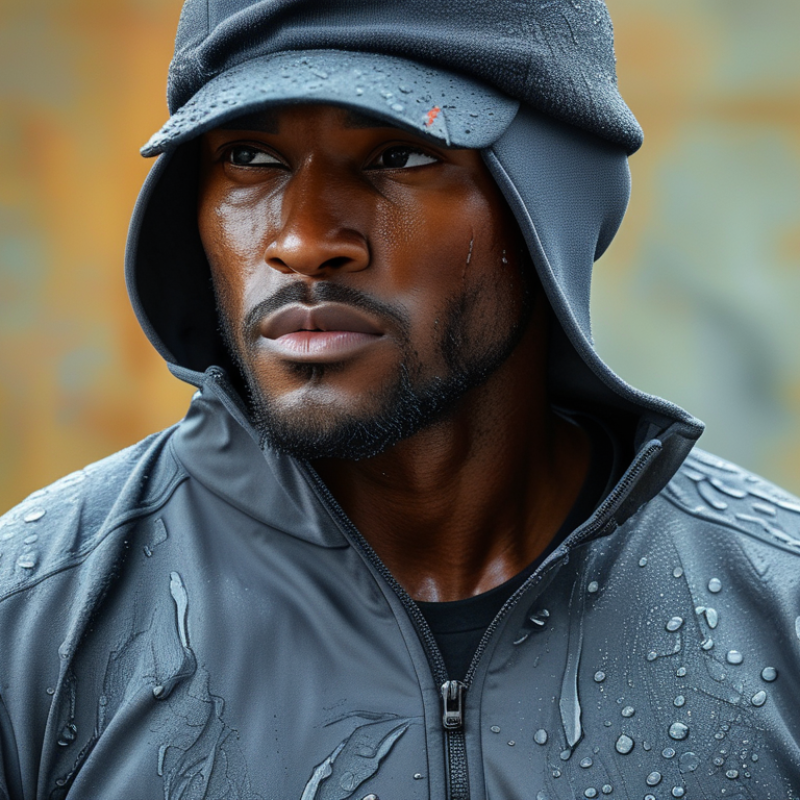
7 Tips Why Moisture Wicking Fabric Matters for Workouts?

What Moisture-Wicking Fabric Is and How It Works

What Moisture-Wicking Fabric Is and How It Works

Moisture-wicking fabric is an engineered textile designed to manage sweat during exercise. It moves moisture away from your skin and spreads it across the outer surface. There, the moisture can evaporate more quickly. The fabric does not remove sweat from your body. It changes how sweat behaves. Polyester, nylon, and some blended fibers often support this process. Their thin, smooth filaments create small pathways for liquid movement. During a workout, I notice the difference most around my back and underarms. Those areas usually stay damp longest. Not all “quick-dry” fabrics perform equally, though.

When you exercise, sweat cools your skin as it evaporates. A wicking shirt helps that evaporation happen with less heavy, clingy fabric. This may reduce rubbing during running, cycling, or strength training. A dry-feeling surface can also make a long session feel more manageable. Still, wicking is not the same as waterproofing. Rain can pass through many lightweight workout fabrics. Humid air can slow evaporation, even when the textile works correctly. That limitation matters.

Fabric construction affects performance as much as fiber type. A loose knit may improve airflow, while a dense weave can hold more warmth. Fit matters too. If clothing hangs too loosely, sweat may not transfer efficiently. If it fits too tightly, airflow can suffer. Washing habits also influence results; fabric softener may coat fibers and reduce absorbency. I once assumed every athletic shirt worked the same way. Testing changed my mind. Small differences in texture, seams, and drying time became obvious after repeated workouts.

How It Regulates Body Temperature During Exercise

Moisture-wicking fabric matters because it supports the body’s natural cooling system during exercise. As muscles work, body temperature rises and sweat reaches the skin. The fabric draws moisture away from the surface and spreads it across a larger area. This can help sweat evaporate faster, removing heat from the body.

That evaporation process is the key. The fabric itself does not actively cool you. Sweat does.

During a summer run, a well-fitting shirt can reduce the heavy, sticky feeling around your back and chest. Less trapped moisture may also reduce friction under the arms.

I used to assume any lightweight fabric would provide the same effect. That assumption was incomplete.

Fit, airflow, and fabric construction still matter. A shirt that is too tight may restrict ventilation, while an oversized layer can hold warm air against the skin. In humid conditions, evaporation slows because the surrounding air already contains moisture. You may still feel overheated, even with effective wicking material. That limitation is easy to miss.

Choose clothing that dries quickly and allows air movement. For intense sessions, a breathable base layer can help manage changing temperatures. In cooler weather, add an insulating layer over it, rather than relying on one thick garment. Check how the fabric feels after ten minutes of movement, not only before training. Personal comfort varies, and my preferred fabric may feel too warm for someone else.

Seven Benefits for Comfort, Performance, and Skin Health

Moisture-wicking fabric matters because sweat should move away from your skin, not remain trapped against it. During a hard workout, a well-designed shirt can feel drier within minutes. That improves comfort and reduces the sticky feeling caused by wet fabric. It can also limit cling, helping you move more freely through squats, runs, or cycling sessions.

The benefits extend beyond comfort. Better moisture control may help your body manage heat during intense exercise. Lighter, less saturated clothing can reduce the burden of extra weight. Fewer damp distractions may improve concentration and perceived performance. Smooth fabric construction can also reduce rubbing around the shoulders, waist, and inner thighs. This matters when repeated movement creates friction. Skin health is another consideration. A drier surface may lower prolonged dampness, which can contribute to irritation in sensitive areas. It is not a treatment for rashes or infection.

Choose fabric according to your activity. A close-fitting top may transport sweat efficiently, while a loose layer can improve airflow. Check seams, stretch, and washing instructions. Fabric performance declines when residue builds up. In my experience, a shirt that feels excellent during a short workout may feel less comfortable after an hour. That limitation is easy to overlook. Wicking fabric also cannot replace hydration, clean clothing, or sensible breaks. Sweat patterns differ, so personal testing remains important. Notice where the fabric stays wet, rubs, or restricts movement. Adjust from there.

How to Choose the Right Moisture-Wicking Workout Fabric

Choosing the right moisture-wicking workout fabric starts with your training conditions. A fabric that works during indoor cycling may feel too thin on a windy trail. Sweat should move away from your skin, then spread across the surface for faster evaporation.

Tip 1: Check the fiber blend. Polyester or nylon often dries quickly, while a small amount of stretch improves movement. Tip 2: Test the fabric against your skin. It should feel smooth, not scratchy or sticky. Tip 3: Match the fabric weight to your workout. Lightweight material suits hot sessions, but thicker fabric may provide better coverage outdoors. Tip 4: Look for airflow. Mesh panels or a looser knit can reduce heat around your back and underarms.

Fit matters as much as fiber content. Tip 5: Choose a close but comfortable fit. Excess fabric can hold sweat, while tight clothing may restrict movement. Tip 6: Inspect seams and waistbands. Rough stitching can cause irritation during repeated squats or long runs. Tip 7: Read care instructions carefully. High heat can damage elasticity and reduce drying performance over time.

I once chose fabric by softness alone. It felt pleasant at first, but stayed damp during a long workout. That mistake changed my approach. Touch, stretch, airflow, and drying speed all deserve attention. No fabric performs perfectly in every setting. Test your choice during a shorter session before relying on it for demanding training.

7 Tips Why Moisture Wicking Fabric Matters for Workouts? - How to Choose the Right Moisture-Wicking Workout Fabric

Tip Why Moisture Management Matters Fabric or Feature to Look For Typical Moisture Regain* Drying Speed Best Workout Applications
1. Check the fiber type Fiber chemistry affects how much water a fabric absorbs and how quickly it can release moisture. Polyester or polypropylene for low absorption; nylon for a softer feel with moderate absorption. Polyester: ~0.4%
Polypropylene: <0.1%
Nylon: ~4%
Fast Running, cycling, interval training, and high-sweat gym sessions.
2. Consider the fabric construction A fiber alone does not determine performance. Knits, mesh zones, and engineered channels can move moisture away from the skin. Lightweight knit, mesh ventilation panels, textured inner surface, or two-layer moisture-transfer construction. Depends on construction Fast to very fast High-intensity training and warm-weather outdoor exercise.
3. Match breathability to workout intensity Breathable fabrics allow heat and water vapor to escape, helping reduce a hot, clammy feeling during exercise. Open-knit structures, mesh panels, and lower fabric weight; avoid overly dense construction for intense workouts. Not determined by regain alone Fast HIIT, spinning, team sports, and summer hiking.
4. Choose the right balance of comfort and drying speed Highly absorbent fibers can feel comfortable initially but may become heavier and take longer to dry when saturated. For quick drying, choose polyester or polypropylene; for a natural hand feel, consider wool blends or cotton only for low-sweat activities. Cotton: ~7–8.5%
Wool: ~13–17%
Moderate to slow Yoga, walking, light training, and cool-weather activities when slower drying is acceptable.
5. Look for odor-control options carefully Synthetic fibers dry quickly but can retain odor compounds if garments are not washed properly. Odor-control finishes may help, but performance varies. Merino wool, washable odor-control treatments, or fabrics with verified antimicrobial claims. Merino wool: ~13–17% Moderate Travel, hiking, commuting, and repeated wear in moderate conditions.
6. Evaluate stretch and fit A close but nonrestrictive fit helps sweat move into the fabric. Excessively loose or tight garments can reduce comfort and moisture transfer. Four-way stretch, smooth seams, recovery after stretching, and a fit appropriate for the activity. Fiber blend dependent Usually fast Strength training, yoga, Pilates, running, and court sports.
7. Check care instructions and durability A fabric cannot perform well if detergent buildup, fabric softener, heat, or abrasion reduces its wicking and drying properties. Machine-washable construction, low-heat drying guidance, durable seams, and care instructions that avoid fabric softener. Performance varies by blend and finish Maintained with proper care Frequent training, uniforms, outdoor activities, and everyday activewear.

*Typical moisture regain values refer to approximate fiber-level values under standard textile testing conditions of about 21°C and 65% relative humidity. Actual garment performance also depends on yarn, knit or woven construction, fabric weight, finishes, fit, temperature, humidity, and washing practices.

How to Wear and Care for Moisture-Wicking Clothing

How to Wear and Care for Moisture-Wicking Clothing

Wear moisture-wicking clothing close to the skin, but never painfully tight. A loose collar can let sweat remain against your neck. During hard training, choose a shirt with flat seams and underarm ventilation. Those small details reduce rubbing when your arms move repeatedly. Avoid cotton as the base layer. It absorbs sweat and can feel cold after exercise. Wash workout clothing soon after use, especially after long sessions. Sweat, skin oils, and bacteria can settle deeply in the fabric.

Turn garments inside out before washing. Use cool or warm water and a mild detergent. Skip fabric softener. It may coat performance fibers and reduce moisture movement. Do not overload the machine. Clothing needs room to rinse properly. Air-drying is gentler than high heat, which can weaken elastic fibers. I still occasionally use a dryer when time is short. That is convenient, but not ideal. Follow the care label when its instructions differ. Testing methods such as AATCC TM195 measure liquid moisture management, but real comfort also depends on fit and maintenance.

Care matters beyond performance. Textile Exchange’s 2024 Materials Market Report estimates global fiber production reached 124 million tonnes in 2023. The report projects 160 million tonnes by 2030. The U.S. Environmental Protection Agency reported that 17 million tons of textiles entered municipal waste streams in 2018, with about 14.7% recycled. Washing carefully and replacing clothing less often can reduce that pressure. Inspect thinning fabric before buying another piece. Sometimes, the old shirt only needs better care.

FAQS

What does moisture-wicking fabric actually do?

It moves sweat away from your skin and spreads it across the outer surface. The moisture can then evaporate faster. It does not stop sweating.

How does wicking clothing help during exercise?

It can reduce the heavy, sticky feeling of wet fabric. This may also reduce rubbing during running, cycling, or strength training. Humid air still slows drying.

Is moisture-wicking clothing waterproof?

No. Many lightweight workout fabrics allow rain to pass through. Wicking manages sweat, not rainwater.

Which fabric features affect moisture management?

Fiber type, knit structure, fit, seams, and airflow all matter. Loose knits may breathe better. Dense fabrics may hold more warmth.

How should moisture-wicking clothing fit?

Wear it close to your skin, but avoid painful tightness. Very loose fabric may not transfer sweat efficiently. Tight fabric can restrict airflow.

Why might cotton feel uncomfortable during exercise?

Cotton absorbs sweat and may remain damp against your skin. After training, that wet layer can feel cold. It is usually less suitable as a base layer.

How should I wash moisture-wicking clothing?

Turn garments inside out and use cool or warm water with mild detergent. Skip fabric softener because it may coat performance fibers. Do not overload the machine.

Is air-drying better for workout clothing?

Usually, yes. Air-drying is gentler than high heat, which can weaken elastic fibers. I still use a dryer sometimes. It is convenient, but not ideal.

How can I reduce the environmental impact of workout clothing?

Wash garments carefully and replace them less often. Check thinning fabric before buying something new. Sometimes, better care is enough.

Conclusion

Moisture-wicking fabric is specially designed to draw sweat away from the skin and move it toward the outer surface, where it can evaporate more quickly. This process helps regulate body temperature during exercise by keeping the body cooler during intense activity and more comfortable as conditions change. Understanding why is moisture wicking fabric important for working out can help you choose clothing that supports better comfort, focus, and performance.

The seven key benefits include reduced cling, improved mobility, less chafing, faster drying, odor control, support for skin comfort, and greater confidence during training. When choosing workout fabric, consider breathability, stretch, softness, activity level, and climate. Proper wear also matters: select a suitable fit, layer thoughtfully, and avoid overly heavy materials. To keep moisture-wicking clothing effective, wash it according to care instructions, avoid excessive heat, and allow it to dry fully before storage.

Isabella

Isabella

Isabella is a dedicated marketing professional with a sharp focus on driving brand growth and engagement through strategic content creation. With an extensive background in digital marketing, she combines her passion for storytelling with her keen understanding of industry trends to deliver......