China Best Shapewear How to Hide a Muffin Top

Time:2026-09-09 Author:Oliver
0%

Finding the right shapewear can make a fitted dress look smoother around the waist and hips. However, comfort should guide every choice. This guide explores China best shapewear options for people learning how to hide a muffin top with shapewear. It focuses on practical fit, fabric quality, and realistic body shaping rather than dramatic promises.

A well-designed garment should support the midsection without restricting normal breathing. Measure your waist and hips carefully, then compare those numbers with the brand’s size chart. Do not size down automatically. Smaller is not always better. High-waisted briefs, shaping shorts, and bodysuits can create different results under jeans, skirts, or thin evening fabrics. Look for wide waistbands, flat seams, breathable panels, and firm but flexible compression. These details help reduce visible lines and may prevent uncomfortable rolling during movement.

Fabric matters too. Nylon and elastane blends often provide smooth recovery, while cotton-lined sections can feel gentler against sensitive skin. Wear the garment briefly at home before using it for a long event. Sit, bend, and walk across the room. Check whether the waistband stays in place. A little adjustment may be normal, but constant pinching signals a poor fit. I have found that realistic expectations produce better results than chasing a completely flat silhouette. Bodies move, and shapewear should move with them. The most reliable choice is one that improves clothing fit while allowing confidence, comfort, and everyday freedom.
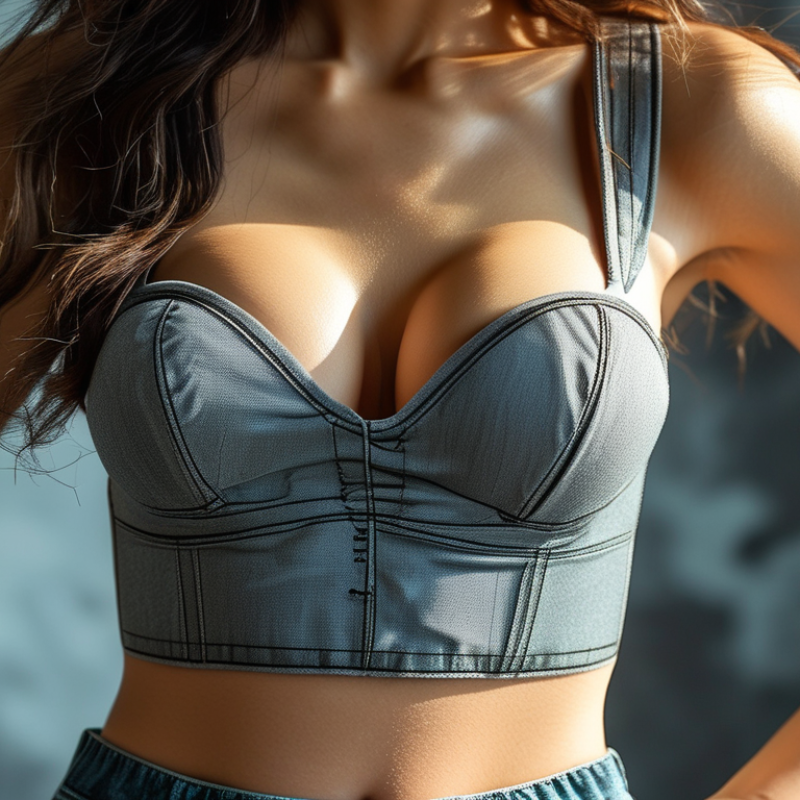
China Best Shapewear How to Hide a Muffin Top

Understanding Muffin Tops and How Shapewear Addresses Them

China Best Shapewear How to Hide a Muffin Top

A muffin top is the soft tissue that rises above a tight waistband. It can appear at the waist, hips, or lower back. Body shape, posture, clothing cut, and fabric tension all influence its visibility. It is not a medical problem or a personal failure. Shapewear cannot remove tissue. It redistributes pressure and creates a smoother transition beneath clothing.

Industry demand reflects this practical purpose. Grand View Research reported that the global shapewear market was valued at approximately 2.1 billion dollars in 2023, with continued growth expected through 2030. Allied Market Research also identified rising interest in comfortable, body-smoothing apparel. These reports suggest that fit and daily wearability matter more than extreme compression. That point is easy to overlook.

Look for a high-rise garment with a wide, flexible waistband. Graduated compression should feel firm around the abdomen but allow comfortable breathing and sitting. Seamless edges can reduce visible lines under thin trousers or fitted dresses. Choose your measured size, not a smaller one. Smaller is not always better. A professional fitting experience often reveals pressure marks after only ten minutes. That is useful evidence. If fabric rolls downward, the rise may be too short, or the waist may need more support. Some designs still feel restrictive during long workdays. Personal comfort should remain the deciding test.

Choosing the Best Shapewear for Different Body Shapes

China Best Shapewear: How to Hide a Muffin Top

Choosing shapewear by body shape works better than chasing one universal style. Grand View Research estimates that the global shapewear market will grow steadily through 2030, reflecting stronger demand for comfort and body-specific designs. For an hourglass figure, choose medium-control shorts with a high, flexible waistband. They smooth the waist without flattening natural curves. A pear-shaped body may need firm support around the lower abdomen and hips, but lighter control at the thighs. This reduces the risk of an uneven silhouette.

For an apple-shaped figure, a high-waisted brief or bodysuit can spread pressure across the torso. Look for breathable panels and a wide top edge. Rectangle shapes often benefit from shaping shorts with gentle contouring, rather than aggressive compression. In my fitting experience, a smaller size rarely hides a muffin top better. It usually creates a second ridge above the waistband. The goal is a continuous line under clothing, not extreme tightness. Still, body-shape categories are imperfect, and many people sit between two descriptions.

Tips: Measure your waist and hips before buying. Check the garment’s measurement chart, not only the size label. Test it while sitting and walking. The International Journal of Clothing Science and Technology has linked poor garment fit with discomfort and restricted movement. Stop if you feel numbness, sharp pressure, or difficult breathing. Soft seams matter, especially under thin dresses. A slightly less dramatic result may look more natural and feel far better.

Key Features of Effective Muffin Top Shapewear

China Best Shapewear: How to Hide a Muffin Top

Effective muffin top shapewear starts with the right structure, not extreme tightness. A high-rise waistband should sit above the natural waist and remain flat while you walk or sit. Graduated compression can smooth the lower abdomen and sides without creating a second bulge. Seamless edges also matter. Thick hems may leave visible lines beneath a fitted dress. In practical fittings, the wrong size causes more rolling than weak fabric. It is an easy mistake.

Breathability is another key feature. Look for moisture-managing fibers, ventilated panels, and a soft inner surface. These details reduce heat around the waist during long wear. According to Grand View Research, the global shapewear market was valued at about 2.4 billion US dollars in 2023. The report also forecasts continued growth through 2030. This demand reflects comfort, fit, and everyday usability, not only appearance. A useful design should support movement. It should never restrict normal breathing or cause numbness. The best choice may feel less dramatic than expected. That is worth considering.

Tips: Measure your waist and hips before ordering. Follow the garment’s size chart. Test the waistband while sitting. If it rolls, size up or choose a taller panel. Avoid wearing new shapewear for many hours immediately. Check for redness, tingling, or painful pressure. Stop wearing it if discomfort continues. Wash it gently, because stretched elastic loses control faster. Personally, I would prioritize stable seams and breathable fabric over maximum compression.

How to Select the Right Size, Fit, and Compression Level

China Best Shapewear: How to Hide a Muffin Top

Hiding a muffin top starts with accurate measurements, not the smallest size. Measure your natural waist and fullest hip area with a soft tape. Keep the tape level and relaxed. Compare both numbers with the garment’s size chart. I once sized down for a smoother look. It rolled badly after sitting.

Choose a fit that lies flat beneath clothing. The waistband should stay in place without digging into your ribs. Leg openings should feel secure, not leave deep marks. For daily wear, light or medium compression usually offers better comfort. Firm compression can shape more strongly, but it may restrict movement. Try bending, sitting, and walking indoors before removing the tags. Check for pinching around the lower abdomen.

Your body needs room to breathe. If fabric wrinkles at the waist, the garment may be too large or poorly shaped. If you feel numbness, pressure, or shortness of breath, remove it immediately. A smooth camisole or high-waisted brief may work better than one tight piece. Results also depend on posture, fabric weight, and the clothing worn over it. No size chart is perfect. Recheck your measurements when weight or body shape changes. Relying only on a mirror can mislead you. Comfort remains useful evidence.

China Best Shapewear How to Hide a Muffin Top - How to Select the Right Size, Fit, and Compression Level
Selection Factor What to Measure or Check Recommended Guidance Why It Helps Hide a Muffin Top Common Mistake Fit Confirmation
Waist Measurement Measure around the natural waist or the area specified in the garment's size chart. Keep the tape level and comfortably snug. Use body measurements rather than your usual clothing size. If between sizes, follow the garment's chart and consider the desired comfort level. A correct waist measurement reduces the risk of the garment cutting into the skin and creating a visible upper edge. Choosing a smaller size to obtain stronger shaping. The waistband lies flat without rolling, pinching, or leaving deep marks after several minutes of wear.
Hip Measurement Measure around the fullest part of the hips and buttocks while standing naturally. Compare the hip measurement with the size chart, especially when selecting high-waisted briefs, shorts, or bodysuits. Balanced waist-to-hip sizing helps the garment smooth the transition between the abdomen, waist, and hips. Using only the waist measurement for a garment that covers the hips. The fabric stretches over the hips without excessive tension, sagging, or horizontal wrinkles.
Torso Length For bodysuits and high-waisted styles, check the distance from the waist to the crotch and compare it with the product's length information. Select a longer or adjustable design if you have a long torso or frequently experience waistband roll-down. A suitable torso length keeps the upper edge positioned at the intended smoothing area. Ignoring torso length and assuming all one-piece garments fit the same way. You can sit, bend, and walk without the garment pulling upward or compressing the crotch area.
Garment Rise Check whether the garment reaches the natural waist, high waist, or just below the bust. For a muffin top around the lower abdomen and waist, choose a high-rise design that extends above the fullest area. A higher, stable edge can smooth more of the area instead of ending directly across the bulge. Selecting a mid-rise garment that ends at the widest part of the waist. The top edge stays in place during movement and remains covered by the outer clothing.
Compression Level Review the garment's stated compression description, such as light, moderate, or firm support. Light: everyday smoothing. Moderate: noticeable shaping for dresses and fitted clothing. Firm: stronger control for shorter periods when comfortable. The appropriate level smooths the silhouette without causing bulges above or below the garment. Assuming the firmest option always produces the best appearance. Breathing remains unrestricted, movement feels normal, and there is no numbness, tingling, pain, or unusual swelling.
Edge Construction Look for wide waistbands, bonded or flat seams, silicone-free stay-in-place features, and smooth finishing. Choose a wide, flexible top band that distributes pressure over a larger area rather than a narrow elastic strip. A broad, smooth edge is less likely to dig into the skin and create a second line beneath clothing. Choosing a narrow waistband that concentrates pressure at one point. The edge remains flat after sitting and does not roll when the torso bends.
Fabric Stretch Check whether the fabric has sufficient two-way or four-way stretch and recovers its shape after movement. Look for a supportive, flexible fabric blend that stretches across the body without becoming transparent or overly thin. Controlled stretch allows the garment to smooth curves evenly instead of producing tight spots. Choosing fabric with very limited stretch or poor recovery. The fabric lies smoothly without sagging, sheerness, excessive wrinkling, or restricted movement.
Length of Coverage Determine whether you need waist-only, mid-thigh, or longer coverage based on where clothing becomes fitted. For dresses and skirts, mid-thigh shorts can help create a continuous line from the waist through the upper legs. Continuous coverage may prevent a visible transition between the abdomen, hips, and thighs. Wearing a short garment that ends at another area of fullness. The lower hem does not roll upward or create a noticeable line under the outer garment.
Color and Transparency Check the fabric under the lighting conditions where the garment will be worn. Use a skin-tone shade under light-colored clothing and a smooth, opaque fabric under fitted garments. Reduced contrast and visible texture help the outer clothing drape more evenly. Choosing a highly contrasting color or textured fabric under thin clothing. The shapewear is not visible through the clothing in natural and indoor light.
Comfort and Wear Time Try the garment while standing, sitting, walking, and bending. Check pressure points and heat retention. Begin with a shorter wear period and choose the lowest compression level that provides the desired smoothing. Comfort supports consistent wear and makes it less likely that the garment will shift or be adjusted repeatedly. Wearing a new, very firm garment for a full day without testing it first. There is no pain, skin irritation, difficulty breathing, numbness, or circulation-related discomfort.
Care and Shape Retention Read the care instructions and check whether the fabric requires gentle washing or air drying. Follow the stated care instructions; excessive heat can damage elastic fibers in some garments. Maintaining elasticity helps preserve the original compression and prevents early stretching or loss of support. Using high heat or harsh washing methods that can weaken stretch fibers. The garment returns to its original shape after laundering and remains evenly supportive.
Health and Safety Pay attention to breathing, skin color, swelling, pain, numbness, and unusual discomfort. Remove the garment if it causes concerning symptoms. People with relevant medical conditions should seek professional advice before using firm compression. Safe, tolerable compression is more appropriate than excessive tightness for everyday shaping. Continuing to wear shapewear despite pain, restricted breathing, or circulation-related symptoms. The garment feels supportive but not painful, and the skin returns to normal after removal.

How to Wear and Care for Shapewear Safely

China best shapewear can smooth a muffin top, but safe wear matters more than dramatic compression. Choose your usual size, not a smaller one. A correct garment should lie flat without digging into your ribs or hips. Sit, bend, and take several deep breaths before buying. If you feel numbness, sharp pressure, dizziness, or unusual pain, remove it. Do not sleep or exercise intensely in firm shapewear unless a qualified clinician advises you. These details sound basic. They are often ignored.

Put it on dry skin, and smooth the fabric gradually from waist to thighs. Do not roll the waistband; rolled edges create concentrated pressure. Keep the garment clean and completely dry, especially after warm-weather wear. After use, hand-wash it in cool water with mild detergent. Avoid bleach, fabric softener, and high heat, which can weaken elastic fibers. Press out water gently, then air-dry it flat away from direct sunlight. A dryer may feel convenient. It can shorten the garment’s useful life.

Inspect seams, hooks, and elastic before each wear. Replace shapewear when it stretches unevenly, smells after washing, or irritates your skin. If you have circulation problems, recent surgery, pregnancy, or a skin condition, ask a healthcare professional first. Shapewear changes appearance temporarily; it does not cause weight loss. I once underestimated a tight waistband because it looked smooth under clothing. Comfort disappeared by lunchtime. That was a useful correction.

China Best Shapewear: How to Hide a Muffin Top Safely

Use shapewear in the correct size and stop wearing it if you experience breathing difficulty, pain, numbness, tingling, skin irritation, or restricted movement. Hand-wash or follow the garment care label, then air-dry to help preserve stretch and fit.

FAQS

: What structure helps shapewear smooth a muffin top?

: Choose a high-rise waistband that sits above your natural waist. It should stay flat while walking or sitting. Graduated compression can smooth the abdomen and sides gently. Extreme tightness is not better.

How should I select the correct size?

Measure your natural waist and fullest hip area with a soft tape. Keep the tape level and relaxed. Compare both measurements with the size chart. Do not automatically choose the smallest size.

What compression level suits daily wear?

Light or medium compression usually supports comfortable daily movement. Firm compression may create stronger shaping but restrict bending or breathing. Try sitting, walking, and taking deep breaths before removing tags. Comfort is evidence.

How can I tell whether the waistband fits properly?

The waistband should not dig into your ribs or roll downward. Leg openings should feel secure without leaving deep marks. Wrinkles may indicate poor shaping or an overly large size. I once sized down. It rolled badly.

Which features improve comfort during long wear?

Look for moisture-managing fabric, ventilated panels, and a soft inner surface. Seamless edges can reduce visible lines beneath fitted clothing. Breathable fabric helps reduce heat around the waist. A less dramatic fit may work better.

How should I wear shapewear safely?

Put it on dry skin and smooth the fabric gradually from waist to thighs. Do not roll the waistband, because rolled edges concentrate pressure. Remove it if you notice numbness, dizziness, sharp pressure, or unusual pain. Never ignore persistent discomfort.

Can I sleep or exercise in firm shapewear?

Avoid sleeping or exercising intensely in firm shapewear. Ask a qualified healthcare professional if you have circulation problems, pregnancy, recent surgery, or skin conditions. Normal breathing should remain easy. That detail matters.

How should I wash and replace shapewear?

Hand-wash it in cool water with mild detergent. Avoid bleach, fabric softener, and high heat. Press out water gently and air-dry it flat away from direct sunlight. Replace it when elastic stretches unevenly or irritates your skin.

Does shapewear reduce body weight?

No. Shapewear changes appearance temporarily and does not cause weight loss. Posture, clothing fabric, and garment fit also affect the result. A mirror can mislead you. Comfort still tells you something.

Conclusion

Muffin tops are the soft bulges that may appear around the waist when clothing or body contours create extra fullness above the hips. This article explains how to hide a muffin top with shapewear by choosing supportive garments that smooth the midsection without creating uncomfortable pressure. It explores suitable options for different body shapes, including high-waisted briefs, shaping shorts, bodysuits, and targeted waist-control designs. Key features include a comfortable waistband, smooth edges, breathable fabric, flexible stretch, and balanced compression that helps create a more even silhouette under clothing.

Selecting the correct size is essential for both appearance and comfort. Shapewear should fit securely without rolling, restricting movement, or causing numbness. The article also explains how to choose an appropriate compression level, put on shapewear gradually, and wear it safely for reasonable periods. Proper washing, air-drying, and regular inspection can help maintain its shape and performance while supporting comfortable, confident everyday wear.

Oliver

Oliver

Oliver is a seasoned marketing professional with a wealth of expertise in driving brand awareness and engagement. With a deep understanding of our company's product offerings, he consistently delivers high-quality content that enriches our professional blog. His insights not only shed light on......