Jungle Clothing

China Athleisure Manufacturing: Navigating Global Procurement & Fabric Technology
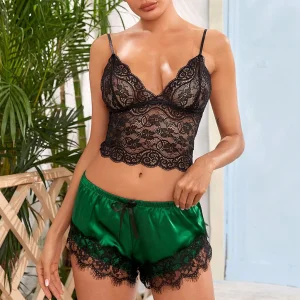
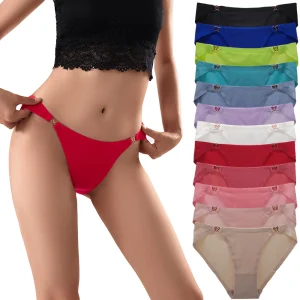
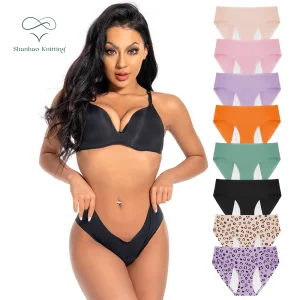
The global activewear and loungewear markets have undergone structural shifts over the past decade. Today, athleisure is no longer just about basic sportswear; it is a blend of high-performance materials, anatomical compression, sustainable fibers, and fashion-forward aesthetics. For global brands sourcing from China Athleisure Manufacturers, choosing the right partner requires assessing not just pricing, but also technological capability, social compliance, and supply chain agility.
1. The Strategic Advantages of China's Athleisure Supply Chain Ecosystem
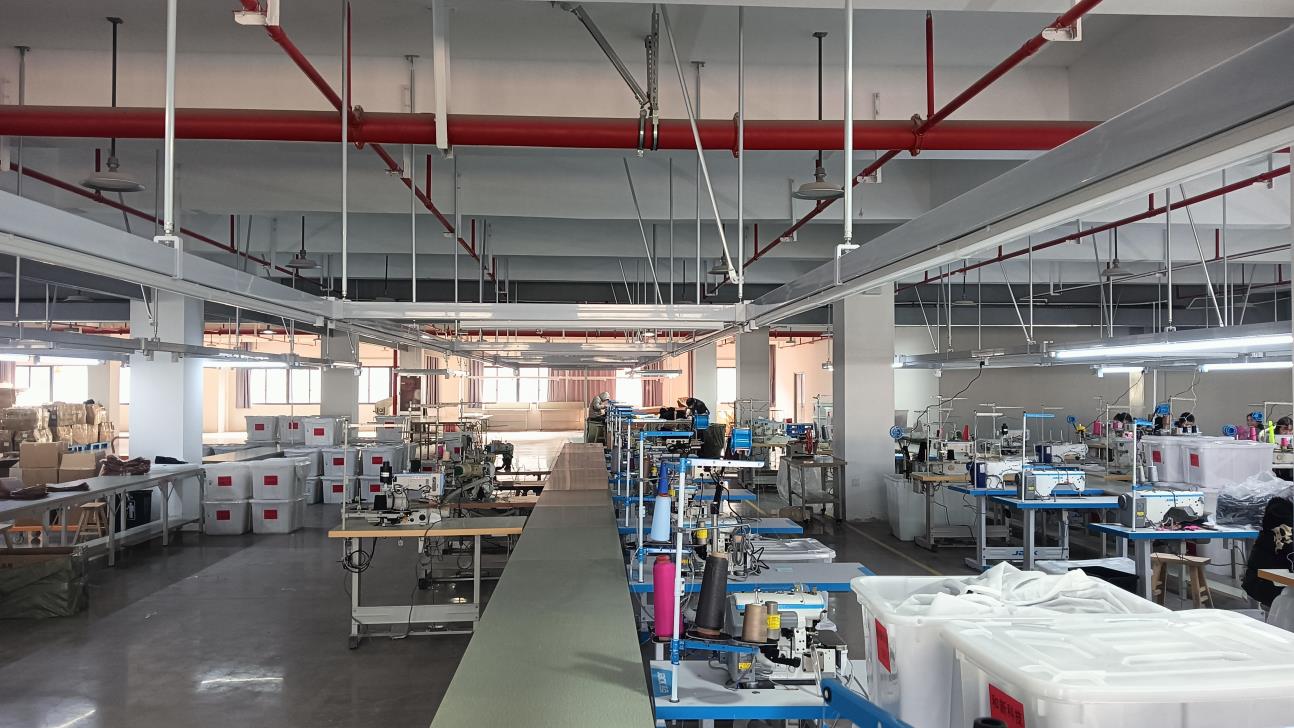
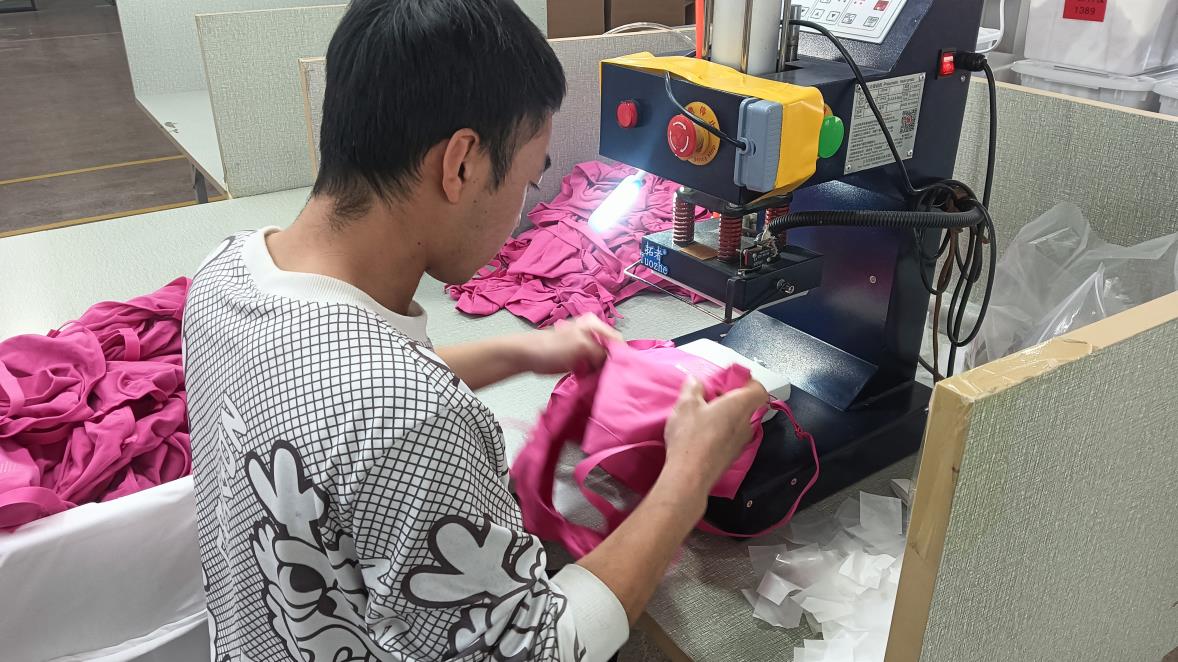
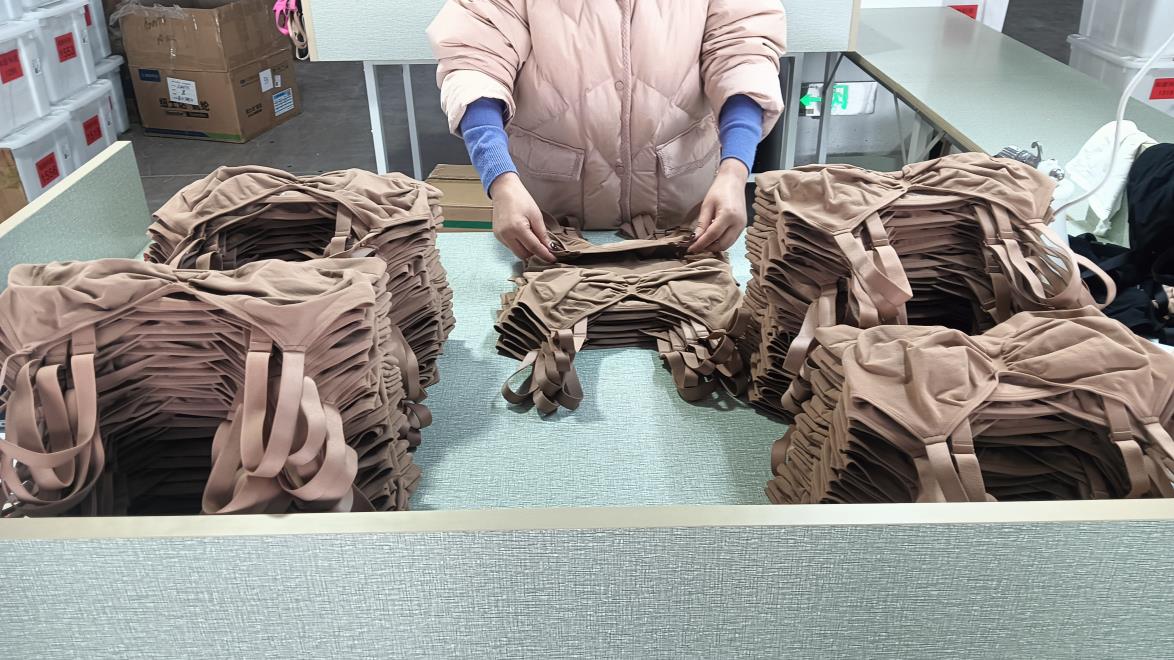
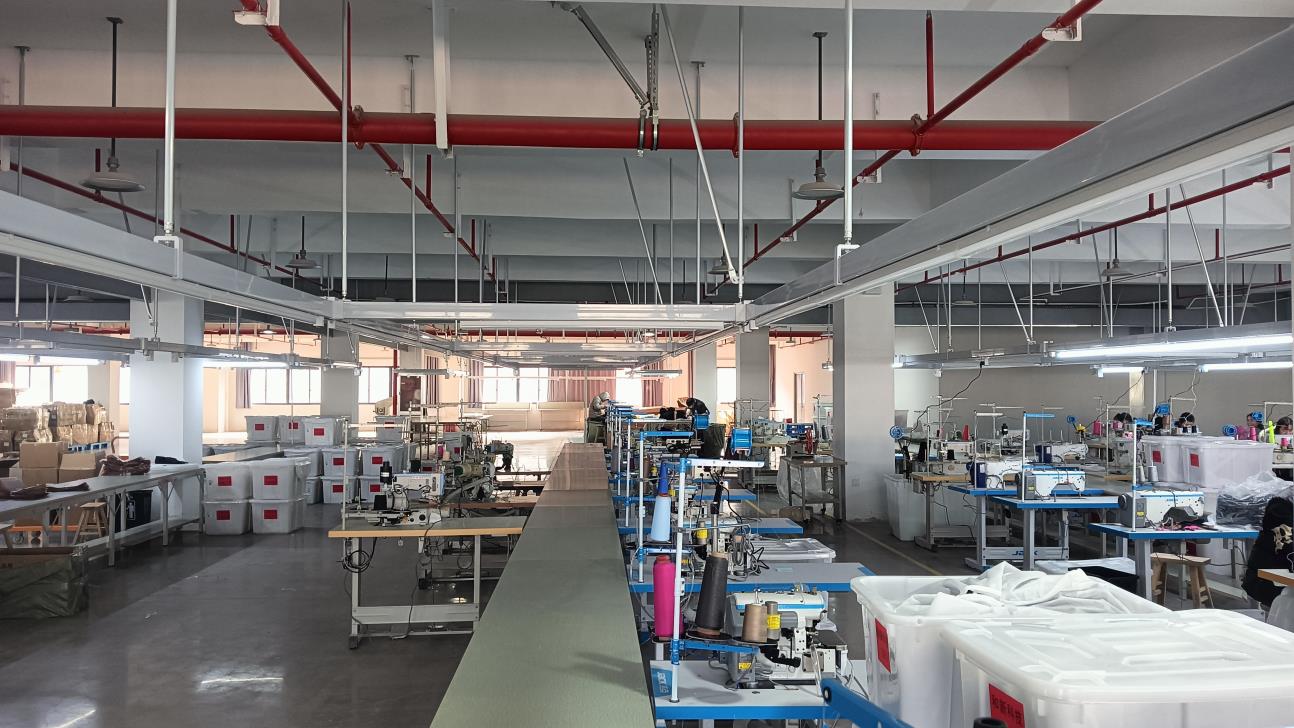
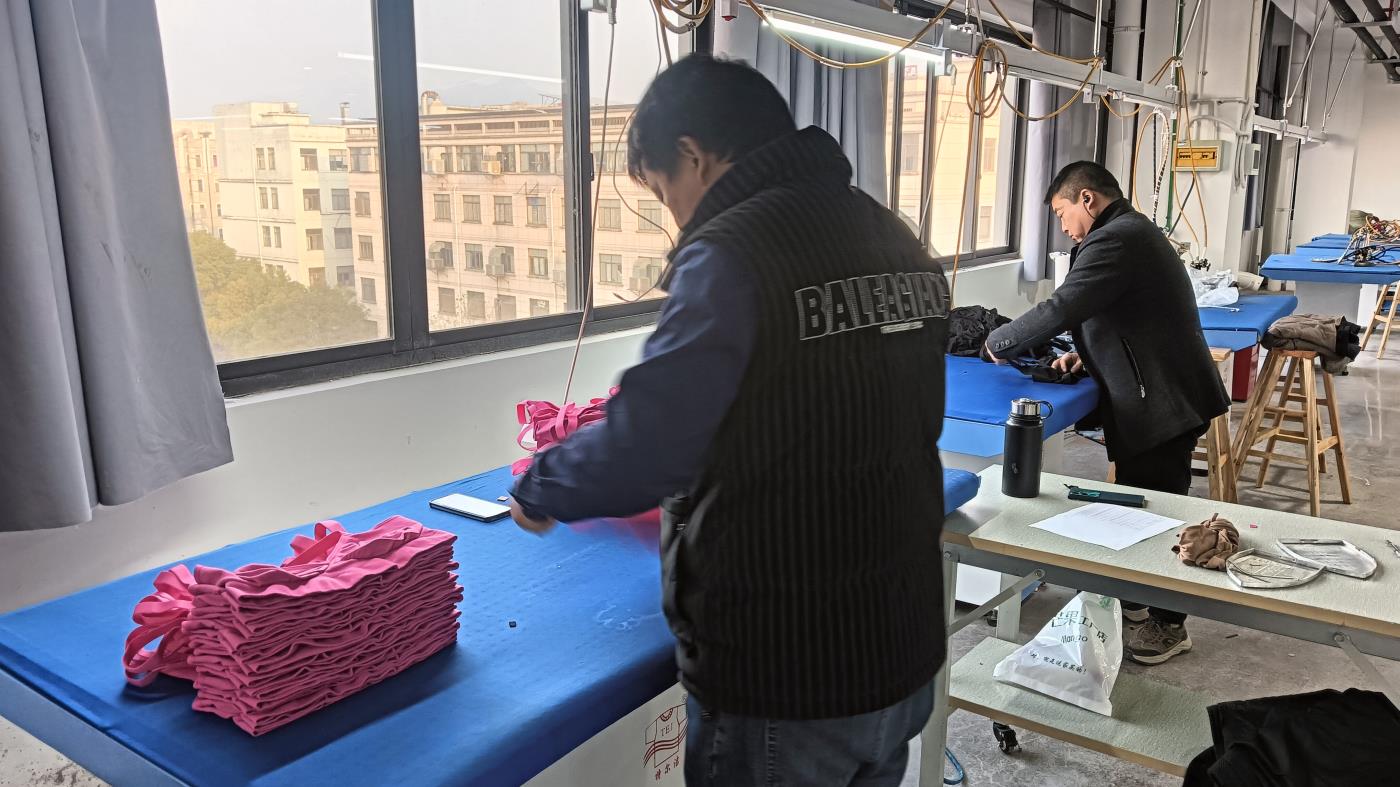
China remains the epicenter of technical garment manufacturing due to its mature supply chain ecosystem. Unlike fragmented production zones, China's key textile provinces, such as Zhejiang and Guangdong, house highly integrated manufacturing hubs. Here, everything from raw yarn production, advanced synthetic fiber texturing, chemical processing, dyeing, and automated cutting to finalized assembly is located within a 50-mile radius.
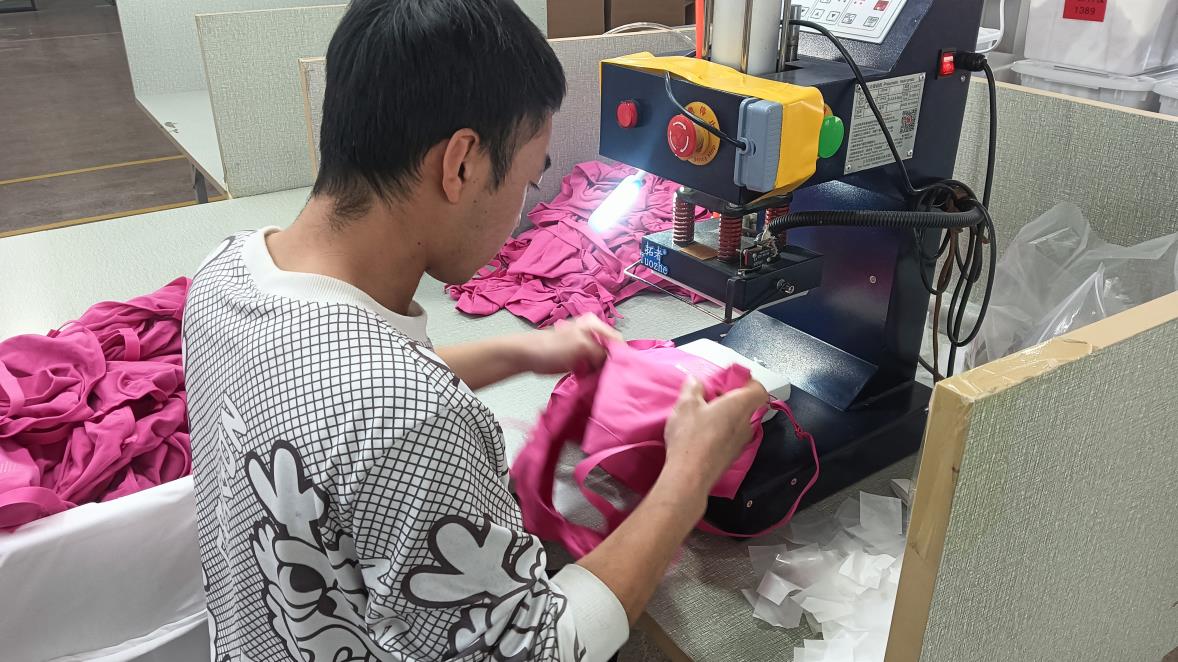
This density minimizes domestic logistics delay and allows manufacturers to respond to material innovations in real-time. Additionally, the localized proximity of specialized accessories (like high-grade heat transfers, flatlock threads, and seamless elastic bands) makes Chinese manufacturers exceptionally fast in developing complex proto-samples and scaling up to bulk production runs.
2. Deep-Dive: Material Innovations & High-Performance Textiles
Modern consumers demand athleisure that performs seamlessly across multiple environments. Achieving this require deep expertise in textile chemistry and engineering. Zhejiang Jungle Clothing is at the forefront of this evolution, utilizing proprietary fabric blends that prioritize four critical characteristics:
- Moisture Management (Wicking): Utilizing hollow-core polyester and custom-woven nylon blends designed to draw sweat away from the body via capillary action, keeping the wearer dry during high-intensity training.
- Four-Way Stretch & Shape Recovery: Integrating premium elastane (Spandex) fibers with high-gauge double-knit structures (Interlock) to ensure the garment moves with the body without losing its original elasticity over time.
- Bio-Degradable and Bamboo Eco-Fabrics: Answering the call for sustainable luxury by incorporating bamboo-cotton blends. Bamboo provides natural anti-microbial properties, thermal regulation, and a buttery-soft hand feel ideal for sensitive skin and post-pregnancy apparel.
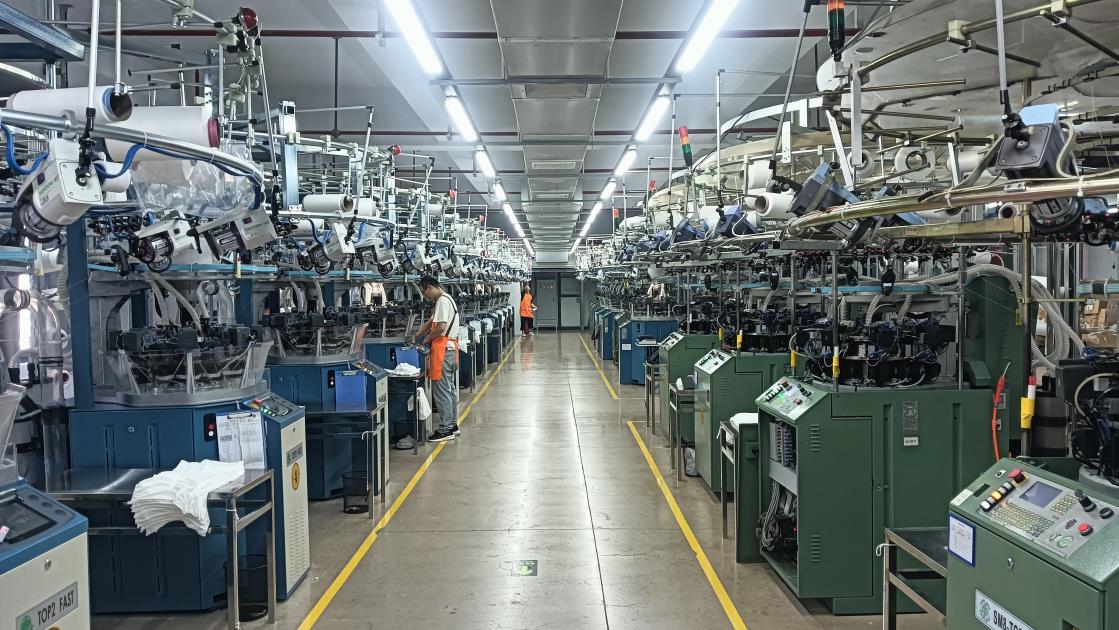
- Anti-Chafing Seamless Integration: Eliminating irritating side seams through circular-knit machinery, optimizing comfort in high-rub areas for runners and active fitness enthusiasts.
3. Macro Industry Solutions for Global Brands: Overcoming Sourcing Bottlenecks
Global procurement directors often face common pain points when importing from Asian suppliers: quality inconsistency, intellectual property risks, compliance failures, and long lead times. A premium OEM/ODM manufacturer resolves these friction points through structured system protocols:
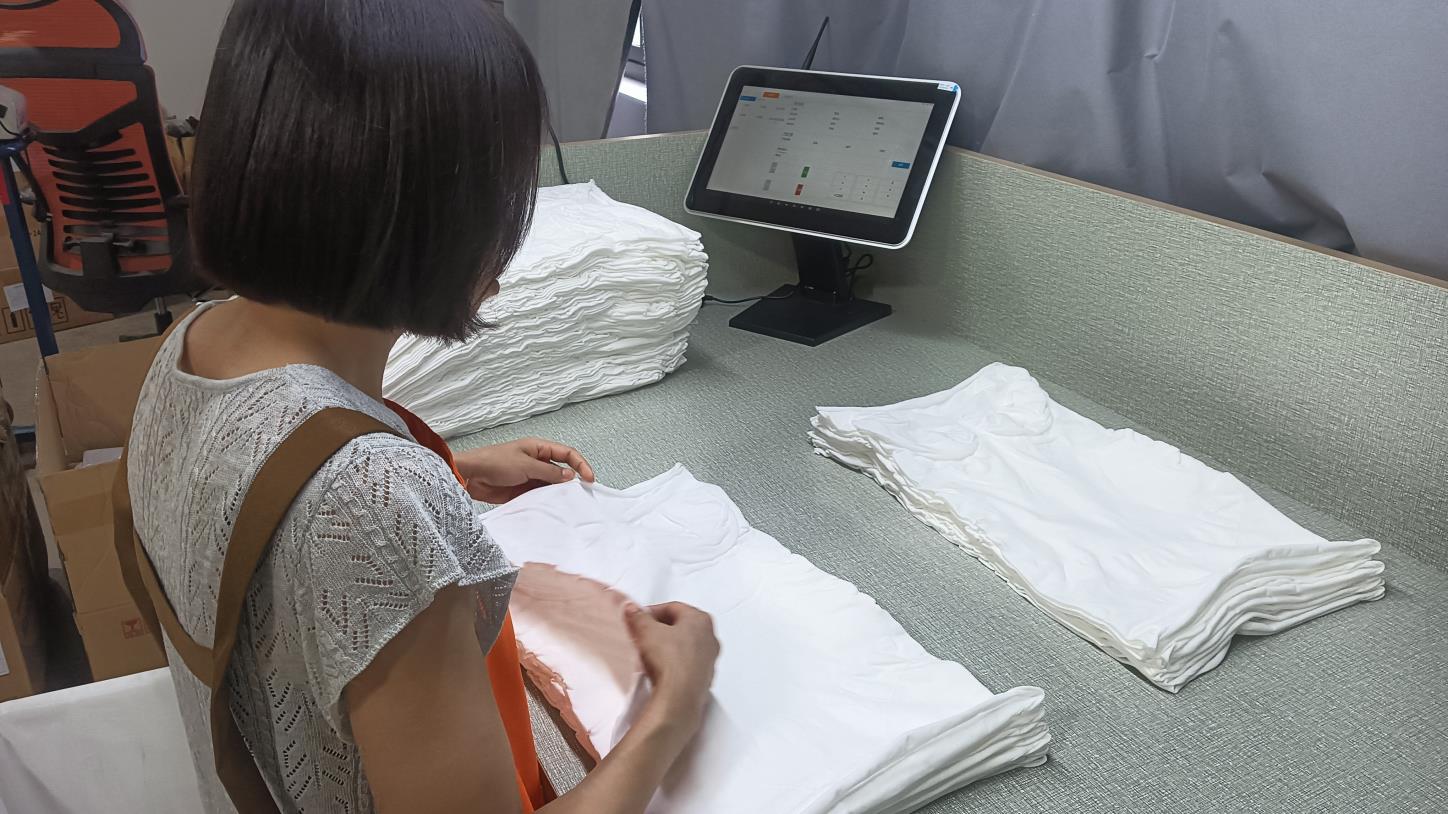
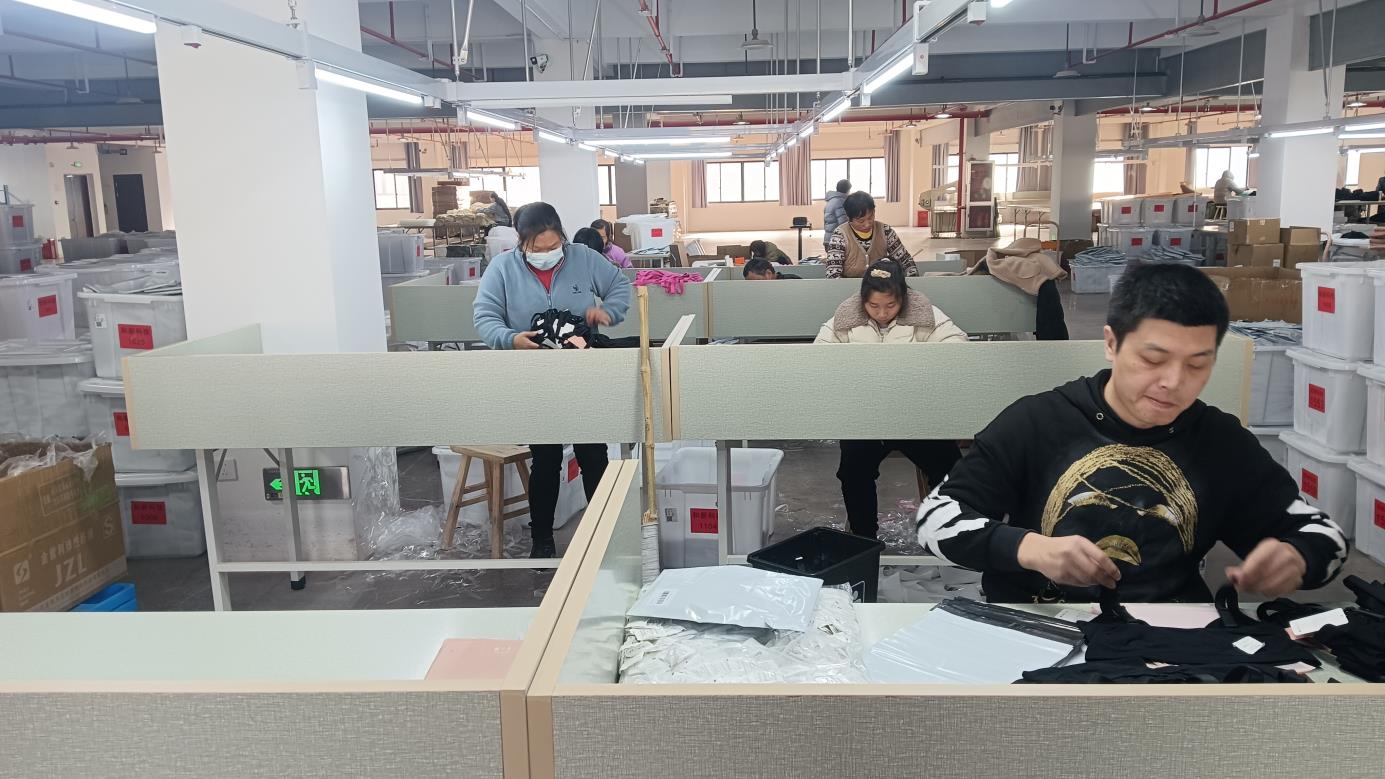
Compliance and Quality Assurance: Working with an ISO 9001:2016 and BSCI audited facility ensures that production standards are documented. Routine quality gates—AQL 2.5 standards—from incoming fabric inspection to needle detection, guarantee that shipments match golden samples.
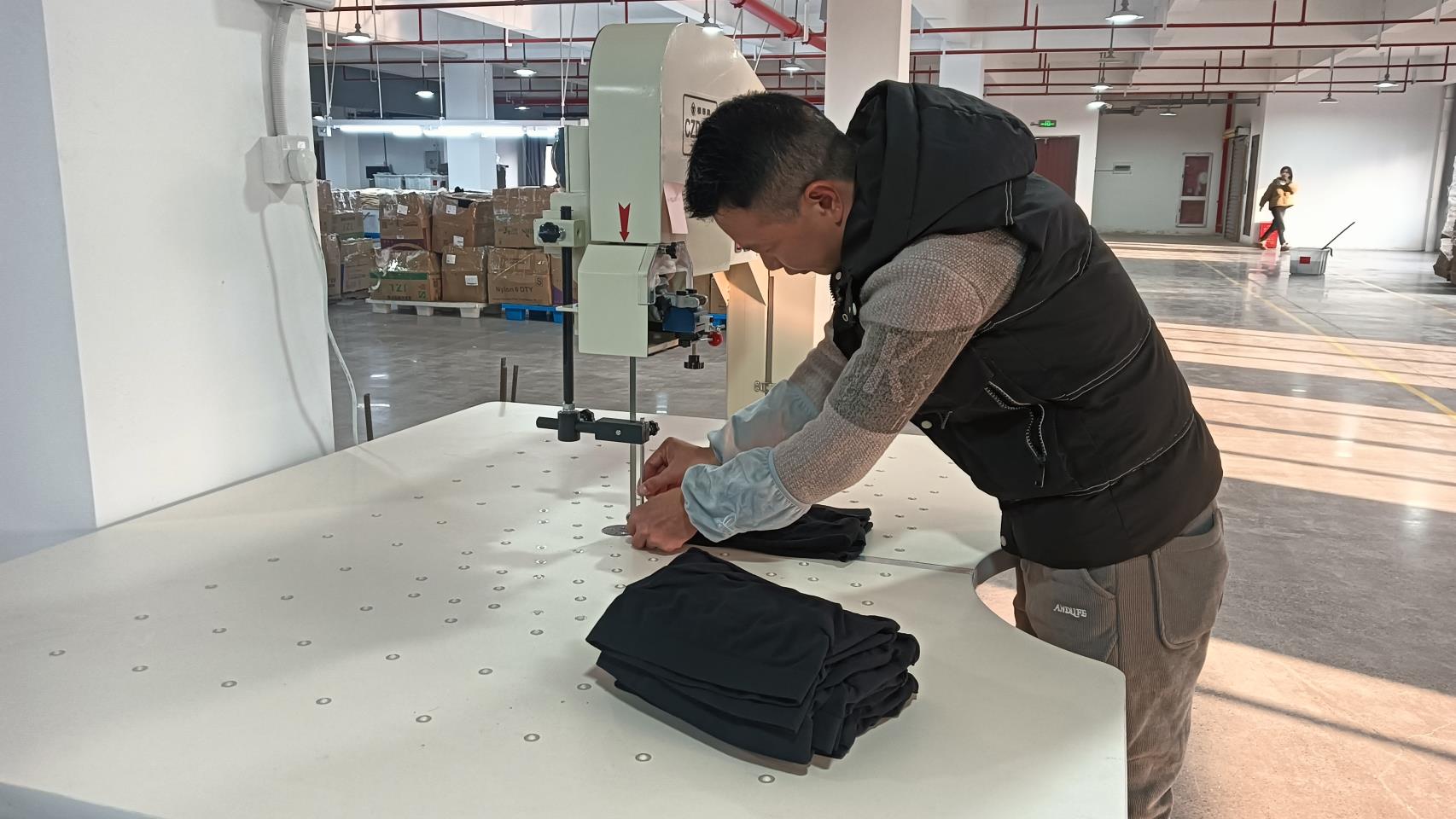
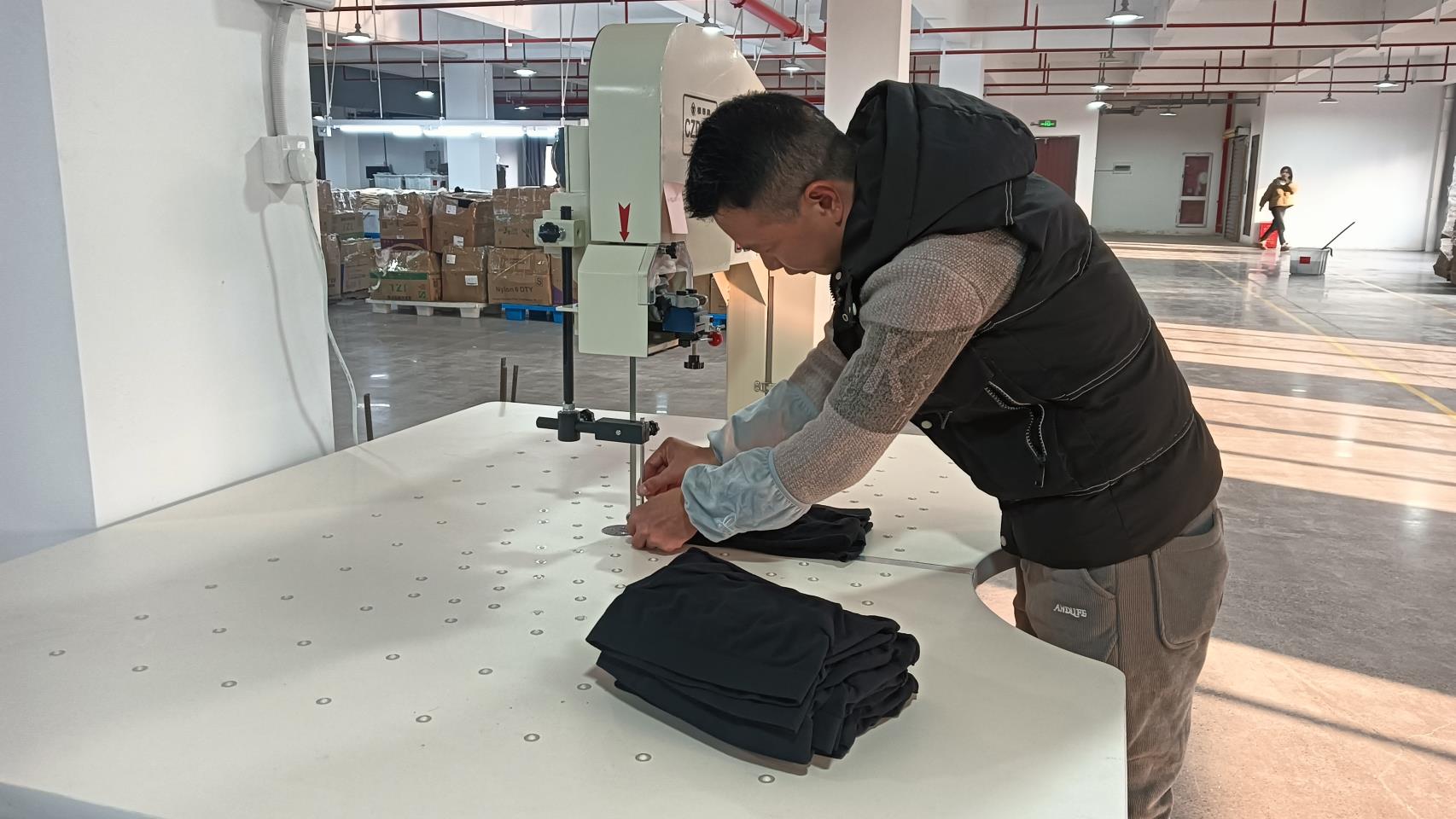
Flexible Order Adjustments: The integration of digital CAD pattern layouts and semi-automated cutting machines allows for fast adaptation of sizing templates to cater to different global demographics—whether sizing for the North American market, European silhouettes, or regional Asian sizes.
4. Future Trends in Athleisure and Shapewear (2025 - 2030)
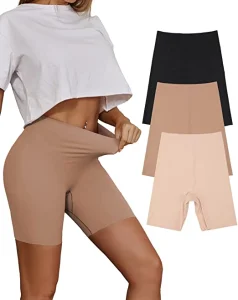
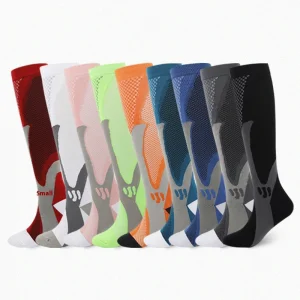
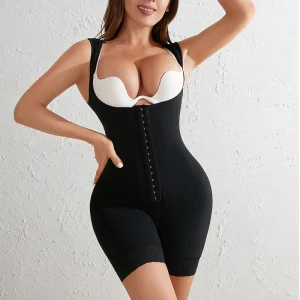
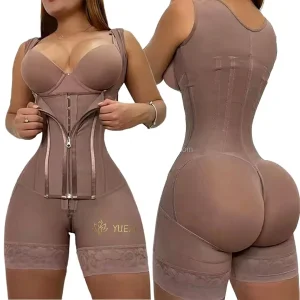
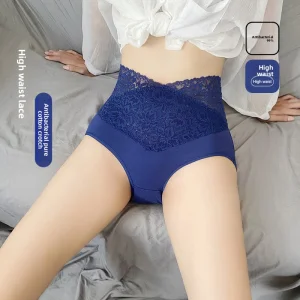
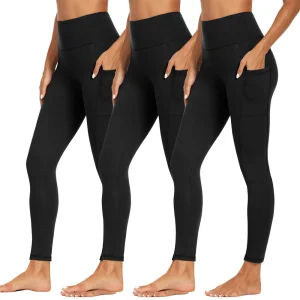
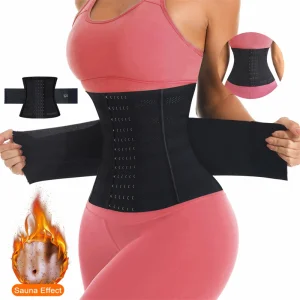
The intersection of activewear and shapewear is defining the next generation of apparel. Garments are expected to sculpt the body while remaining comfortable enough for all-day wear. High-waisted leggings with integrated tummy control, seamless post-partum recovery briefs, and zoned compression socks are scaling rapidly. Furthermore, the market is moving toward smart compression—where compression intensities are mapped to anatomical muscle zones to promote blood circulation and reduce muscle fatigue.